Root Fertilizer: Complete Guide to Types, Nutrients, and Application Methods
- Blessa Jana Samuel
- 3 hours ago
- 14 min read

Root fertilizer plays a fundamental role in developing strong, healthy root systems that form the foundation of productive plants. Whether you're cultivating root vegetables, ornamentals, or field crops, understanding the science behind root fertilizer helps you make informed decisions that maximize nutrient uptake and overall plant performance. This comprehensive guide covers the essential types of root fertilizer, key nutrients for root growth, and proven application techniques to optimize your agricultural success.
Understanding Root Fertilizer: Why It Matters
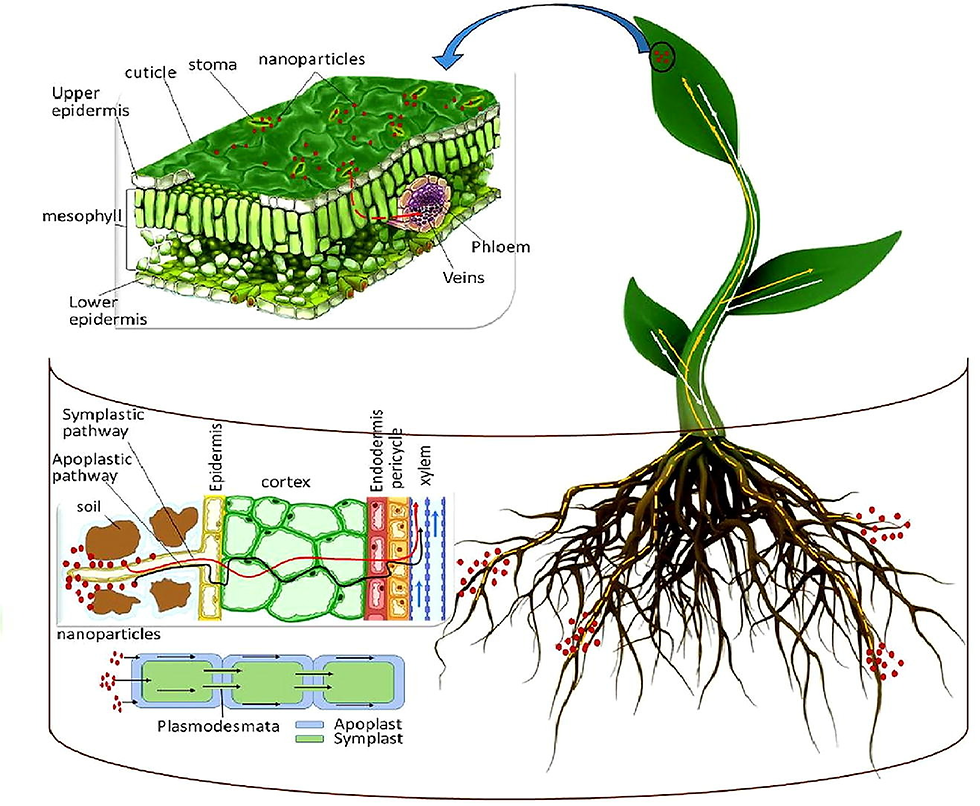
A robust root system is the unseen engine driving plant productivity. Root fertilizer works by delivering essential nutrients directly to the rhizosphere—the nutrient-rich zone surrounding plant roots—enabling plants to absorb water and minerals more efficiently. Strong roots expand deeper into the soil, access additional moisture reserves during drought stress, resist disease pressure, and provide better anchoring against environmental stressors. Without proper root fertilizer application, even ideal growing conditions cannot compensate for nutrient deficiencies that limit root development.agrithority+1
The key distinction between above-ground growth and root growth fertilization lies in nutrient ratios and application timing. While nitrogen drives leafy green growth, root fertilizer emphasizes phosphorus, potassium, calcium, and strategic micronutrients that specifically promote cell division, membrane strength, and energy transport necessary for extensive root development.terragardensolutions
Types of Root Fertilizer to Consider
Selecting the appropriate root fertilizer type depends on your specific crop requirements, soil conditions, and growing systems. Modern agriculture offers diverse formulations, each with distinct advantages and application scenarios.
Granular Fertilizers
Granular root fertilizers represent the most widely used category, featuring slow-release properties that deliver nutrients gradually over extended periods. These dry, pellet-form fertilizers typically contain 5-15% phosphorus and 10-20% potassium in formulations specifically designed for root optimization. The slow-release mechanism occurs through natural mineral dissolution, influenced by soil temperature, moisture content, and microbial activity rather than synthetic coating technologies.icl-growingsolutions+2
Benefits of granular formulations include:
Minimal nutrient loss through leaching compared to quick-release liquid fertilizerscropnuts
Single seasonal application reduces labor costs and application frequencyvlsci
Consistent nutrient delivery over 8-12 weeks or longer depending on product designmyperfectplants
Lower overall cost per unit when purchased in bulk quantitiesvlsci
Longer shelf life makes storage more practical than liquid alternatives
Granular root fertilizer suits both mechanical application (broadcast, banded, or row application) and manual incorporation into soil during bed preparation. For root vegetables like carrots and beets, granular products applied at planting and again at the six-inch plant growth stage provide optimal nutrient availability throughout the growing season.certifiedprevegenics+1
Liquid and Water-Soluble Fertilizers
Liquid root fertilizers deliver immediately available nutrients through rapid absorption, making them ideal for correcting nutrient deficiencies or targeting critical growth periods. These formulations dissolve completely in water, enabling precise nutrient delivery through fertigation systems (fertilizer applied through irrigation water) or direct soil drenching.greenment+2
Water-soluble products excel in container production, high-value horticultural crops, and situations requiring rapid nutrient response. Monopotassium phosphate solutions, applied at 1-2 teaspoons per gallon every 2-3 weeks, provide exceptional phosphorus availability for root vegetables during bulb expansion phases. Liquid root fertilizers suit the precision demands of modern agriculture, delivering optimal phosphorus levels (30-60 ppm depending on crop) without the application inflexibility of granular products.farmstandapp+1
The primary trade-off involves more frequent applications and potentially higher salt content that requires careful water management to prevent salt burn in container-grown plants.vlsci
Slow-Release and Controlled-Release Fertilizers
Advanced slow-release fertilizers employ polymer coatings that dissolve gradually, releasing nutrients in response to soil temperature, moisture, and microbial activity. These formulations reduce the frequency of applications while maintaining consistent nutrient supply—particularly valuable for landscape plants, turf, and long-season crops. Polymer-coated products deliver nutrients over 12-month periods in a single application, significantly reducing the labor requirements compared to conventional granular materials.medinaag+2
Advantages of slow-release systems include:
Predictable nutrient release aligned with plant growth requirements
Minimal nutrient leaching into groundwatercropnuts
Reduced environmental impact from over-application
Ideal for sustainable agricultural and ornamental production systemsmyperfectplants
Organic Root Fertilizers
Organic farmers and eco-conscious growers increasingly turn to organic root fertilizers that supply slow-release nutrients from natural sources. Bone meal, containing 20-25% phosphorus and 25-30% calcium, provides exceptional phosphorus availability for root development without synthetic additives. Fish bone meal (12-15% phosphorus) combines phosphorus and calcium with additional sulfur, creating a comprehensive nutrient profile for root crops and flowering plants.greenwaybiotech+2
Kelp meal supplies potassium (3-5%), magnesium, and trace elements including zinc, boron, and manganese essential for micronutrient-deficient soils. Rock phosphate offers ultra-slow phosphorus release (9-15% P) that prevents nutrient imbalances and maintains steady root development in rapid-growing crops like radishes (30-day cycles).reneworganics+2
Organic root fertilizer combinations for specific crops include:
General blend: Bone meal (1 part), Kelp meal (1 part), Blood meal (1 part), Azomite (½ part) - provides balanced NPK plus trace elements for vegetables and flowersgreenwaybiotech
Root crops blend: Fish bone meal (1 part), Feather meal (½ part), Kelp meal (1 part) - emphasizes phosphorus and calcium for carrots, potatoes, beets, and bulbsgreenwaybiotech
Acid-loving plants blend: Cottonseed meal (1 part), Fish bone meal (1 part), Kelp meal (½ part) - supports blueberries, azaleas, and rhododendrons while lowering soil pHgreenwaybiotech
Key Nutrients for Root Growth: The Nutritional Foundation
Understanding which nutrients drive root growth enables targeted application of fertilizers that maximize developmental potential. While plants require balanced nutrition, specific macronutrients and micronutrients disproportionately influence root architecture.
Phosphorus: The Root Development Driver
Phosphorus (P) stands as the primary nutrient responsible for root growth, directly controlling cell division, energy transfer, and lateral root formation. This element facilitates ATP synthesis—the energy currency plants use for cellular processes—and regulates photosynthesis and respiration. Phosphorus promotes both primary root elongation and lateral branch development, expanding the root surface area for water and nutrient extraction.cropnuts+2
Phosphorus deficiency manifests as stunted roots, delayed plant maturity, and poor fruit or seed development. Root vegetables require elevated phosphorus levels: carrots and parsnips perform optimally at 30-50 ppm soil phosphorus, beets and turnips require 40-60 ppm, and radishes need 25-40 ppm. The phosphorus requirement intensifies during initial growth stages when plants establish their underground storage systems.cropnuts+1
Phosphorus fertilizer sources and concentrations:
Diammonium phosphate (DAP): 46% P₂O₅cropnuts
Monoammonium phosphate (MAP): 52% P₂O₅cropnuts
Triple superphosphate: 44-48% available phosphorus for rapid responsefarmstandapp
Double superphosphate: 17.5% phosphorus, slower release than triple superphosphateterragardensolutions
Rock phosphate: 9-15% phosphorus, ultra-slow releasefarmstandapp
Bone meal: 20-25% phosphorus with 25-30% calciumgreenwaybiotech
Unlike nitrogen (which moves readily through soil), phosphorus exhibits limited soil mobility. This characteristic necessitates soil-incorporated or localized application at or near the seed row to ensure root access early in growth cycles. Phosphorus availability decreases substantially in alkaline soils (pH > 7.5) and soils with excessive calcium, highlighting the importance of soil testing before application.cropnuts
Potassium: Supporting Root Health and Water Balance
Potassium (K) represents the second primary nutrient for root growth, regulating water uptake and maintaining internal water balance in plant cells through osmotic pressure (turgor pressure). This element activates critical enzymes involved in root cell elongation and overall root biomass development. Potassium also strengthens root membranes, enhances disease resistance, and improves plant tolerance to stresses including drought, salinity, and temperature extremes—factors that profoundly impact root survival and function.omexcanada+1
Potassium deficiency produces characteristic symptoms including weak stalks, leaf scorching or browning, reduced fruit quality, and increased disease susceptibility. In root vegetables, adequate potassium supports root expansion during bulking phases and improves nutritional quality of harvested products.farmstandapp+1
Potassium fertilizer sources:
Potassium chloride (Muriate of Potash, KCl): 60% K₂Ocropnuts
Potassium sulfate (Sulfate of Potash, K₂SO₄): 50% K₂O, preferred where chloride avoidance is importantcropnuts
Potassium nitrate (KNO₃): 46% K₂O combined with 13% nitrogencropnuts
Kelp meal: 3-5% potassium plus trace elementsreneworganics+1
Wood ash: 5-10% potassium plus calcium and other mineralsterragardensolutions
Soils with low cation exchange capacity (CEC), particularly sandy soils, require frequent potassium applications since the nutrient readily leaches through soil profiles.cropnuts
Calcium: Strengthening Root Cell Walls
Calcium (Ca) serves as a critical structural component of cell walls and cell membranes, providing physical strength and integrity to root cells. This element directly supports root tip growth and root hair development—the fine filaments responsible for nutrient and water absorption. Calcium deficiency produces stunted root growth and reduced root hair formation, severely limiting nutrient acquisition capacity even when adequate nutrients exist in soil.omexcanada+1
Calcium sources for root fertilizer applications:
Bone meal: 25-30% calcium plus 20-25% phosphorusgreenwaybiotech
Fish bone meal: 20-28% calcium plus 12-15% phosphorusgreenwaybiotech
Gypsum (calcium sulfate): Provides calcium without raising soil pH, particularly valuable in alkaline soilsomexcanada
Ground limestone: Increases soil pH while supplying calciumomexcanada
Calcitic limestone: 34-40% calcium carbonate equivalentomexcanada
Magnesium: Activating Root Metabolism
Magnesium (Mg) functions as the central atom in chlorophyll molecules and activates dozens of enzymes essential for root metabolism, carbohydrate synthesis, and energy generation. This micronutrient influences both primary root elongation and lateral root formation, with optimal results achieved at moderate magnesium supply levels (1.0-2.0 mmol/L in hydroponic systems). Interestingly, both excessive and deficient magnesium levels inhibit root development, requiring careful nutrient balance.pmc.ncbi.nlm.nih+2
The relationship between magnesium availability and calcium signaling pathways affects root hair development, with low magnesium conditions significantly increasing root hair initiation density and length through calcium and reactive oxygen species signal transduction. This complex nutrient interaction emphasizes the importance of balanced root fertilizer formulations rather than single-nutrient applications.pmc.ncbi.nlm.nih
Magnesium sources:
Magnesium sulfate (Epsom salt): 9.6-10% magnesium
Potassium-magnesium sulfate: Combined nutrient source
Dolomitic limestone: Combines calcium and magnesium carbonatespmc.ncbi.nlm.nih
Kelp meal: 3-5% magnesium plus other micronutrients
Essential Micronutrients for Root Development
Beyond the macronutrients, specific micronutrients disproportionately influence root growth through hormone regulation, enzyme activation, and cell division control.
Zinc (Zn) proves essential for root development and elongation, functioning as a cofactor in auxin synthesis—a plant hormone that directly regulates root growth and branching. Zinc involvement in cell division and root hair formation makes adequate zinc availability critical during establishment phases. Approximately 11% of agricultural topsoils show zinc deficiency, particularly in sandy soils with low organic matter content.alberta+1
Copper (Cu) plays central roles in enzyme function, electron transport, and overall growth processes necessary for root development. Copper deficiency becomes prevalent in the Aspen Parkland and Boreal Transition ecoregions where soils feature low clay content and high organic matter that immobilizes copper in unavailable forms.alberta+1
Manganese (Mn) contributes to root elongation and participates in enzyme activation necessary for carbohydrate and nitrogen metabolism. Cool weather combined with poorly drained soils accentuates manganese deficiency symptoms because of reduced root growth and minimal microbial mineralization of soil organic matter.alberta+1
Boron (B) vitally supports cell wall structure, cell membrane integrity, and sugar transport within plants—processes that underpin root development. This micronutrient influences root hormone regulation, seed development, and pollen germination. Boron plays a specialized role in potassium uptake, creating cascading nutrient deficiency symptoms when boron availability is limited.yates
Iron (Fe) facilitates chlorophyll formation and participates in energy transfer within root cells, directly supporting root growth.** While relatively abundant in most soils, iron availability decreases dramatically in high-pH calcareous soils.alberta+1
How to Use Root Fertilizer: Proven Application Methods
Proper application technique determines root fertilizer effectiveness and return on investment. The method selected depends on fertilizer type, crop characteristics, soil conditions, and available equipment.
Soil Incorporation Before Planting
Soil incorporation represents the traditional method for granular root fertilizer application, particularly for broadcast fertilizers. Organic and phosphorus-potassium fertilizers typically incorporate during autumn or spring soil preparation, with incorporation depth varying by soil type and climate:
Light soils (sandy, sandy loam): Shallow incorporation (2-3 inches) in humid climates accelerates mineralization and reduces nutrient leachinguniversityagro
Heavy soils (clay, clay loam): Deeper incorporation (4-6 inches) improves nutrient contact with soil absorbing complex and reduces nutrient surface fixationuniversityagro
Dry climates: Deep incorporation (6-8 inches) minimizes nutrient loss from surface volatilization and encourages plant exploration of deeper soil profilesuniversityagro
Application rates for organic root fertilizers typically follow these guidelines:
Bone meal: 5-10 lbs per 100 square feetgreenwaybiotech
Feather meal: 3-5 lbs per 100 square feetgreenwaybiotech
Kelp meal: 1-3 lbs per 100 square feetgreenwaybiotech
Rock phosphate: 2-5 lbs per 100 square feet
Incorporate fertilizers 2-4 weeks before planting when possible, allowing time for partial nutrient mineralization and improved availability.universityagro
Row Placement at Seeding
Local row application delivers root fertilizer directly to the seed furrow or transplant row, concentrating nutrients in zones where young roots preferentially develop. This placement method substantially improves nutrient uptake efficiency compared to broadcast application, particularly for phosphorus-based fertilizers that exhibit limited soil mobility.universityagro
Row application rates for root vegetables:
Granular fertilizer: 150-300 lbs per acre in the seed rowuniversityagro
Concentrated superphosphate: 50-100 lbs per acreuniversityagro
Starter fertilizer: High phosphorus and zinc formulations placed 2 inches below and to the side of seed rows
Row placement proves particularly effective for crops with short growing seasons (radishes at 30 days, turnips at 60 days) where slow-release nutrients cannot fully mineralize before harvest.farmstandapp
Fertigation: Drip and Irrigation Application
Fertigation—the application of fertilizers through irrigation systems—represents the most precise application method, delivering root fertilizer directly to root zones with minimal waste. Drip irrigation systems apply water at 2-20 liters per hour from small-diameter plastic pipes fitted with emitters, with nutrients dissolved in the irrigation water.fao+2
Advantages of fertigation include:
Delivery of nutrients directly to root zones without wetting entire soil profilefao
Precise control over application timing aligned with plant growth stagescropnuts
Reduced nutrient loss through leaching compared to broadcast applicationcropnuts
Exceptional suitability for horticultural and high-value crops where efficiency justifies system installation costscropnuts
Recommended fertigation concentrations and timing:
Liquid phosphorus fertilizer (monopotassium phosphate): 1-2 teaspoons per gallon of irrigation water, applied every 2-3 weeks during active growthfarmstandapp
Potassium-based formulations: Applied close to plant roots to maximize uptakeeos
For water-soluble root fertilizer products, tank mix according to label recommendations and inject through established drip system infrastructure. Fertigation schedules should align with plant development stages: initial applications at planting (V2-V4 growth stages), secondary applications during rapid root development (V6-V8 stages), and supplemental applications during critical bulking phases for root vegetables.farmstandapp
Foliar Application
Foliar spray application delivers micronutrients (zinc, copper, boron, manganese) directly to leaf surfaces where absorption occurs rapidly (24-48 hours). This method proves particularly effective for correcting micronutrient deficiencies in field conditions where soil factors limit root nutrient uptake.greenment
Micronutrient foliar spray concentrations:
Zinc sulfate: 0.5-1.0% solutions applied at 5-gallon per acre ratesalberta
Copper sulfate: 0.1-0.5% solutions in cool, calm morning conditionsalberta
Boron (borax or boric acid): 0.1-0.2% solutions for root crops and flowering plantsyates
Manganese sulfate: 0.5-1.0% solutions in early growth stagesalberta
Foliar applications complement soil-applied root fertilizers rather than replacing them, addressing acute micronutrient deficiency symptoms while soil amendment rebuilds long-term soil nutrient status.greenment
Soil Drenching for Container Plants
Soil drenching involves applying concentrated root fertilizer solutions directly to soil surrounding plant roots, particularly valuable for container-grown plants and shallow-rooted species. This method delivers nutrients rapidly to confined root zones and proves highly effective for correcting deficiencies in container production systems where root access to soil nutrient reserves is limited.greenment
Apply water-soluble root fertilizers at recommended concentrations, delivering sufficient volume to saturate container media without creating anaerobic conditions. Repeat applications at 2-4 week intervals during active growing seasons.greenment
Root Fertilizer Application Timing for Maximum Effectiveness
Timing represents a critical factor in root fertilizer efficacy, with application coinciding precisely with plant development stages when root nutrient demand peaks.
For root vegetables (carrots, beets, potatoes, turnips):
Initial application: At planting time or at V3-V4 growth stage (3-4 true leaves)certifiedprevegenics
Secondary application: When plants reach 6 inches height (V6-V8 stage)certifiedprevegenics
For potatoes specifically: Apply at planting and again when plants reach approximately 8 inches heightcertifiedprevegenics
Timing considerations vary by soil and climate. In areas of sufficient soil moisture, 60-70% of total fertilizer dose applies as main fertilization before planting, with 30% split between row placement and top dressing during growth. In moisture-limited regions, spring application near sowing proves more effective than autumn incorporation, minimizing leaching losses during winter.universityagro
Monitoring and Soil Testing for Optimal Root Fertilizer Adjustments
Soil testing provides the scientific foundation for appropriate root fertilizer selection and application rates. Annual soil testing determines current phosphorus levels (target 30-60 ppm depending on crop), potassium availability, pH, and micronutrient status. This investment prevents both nutrient over-application (environmental pollution risk, increased input costs) and under-application (reduced yields, limited plant growth).farmstandapp
Visual deficiency symptoms indicating fertilizer response potential:
Phosphorus deficiency: Stunted root development, delayed maturity, purple or reddish leaf coloration in cool seasons
Potassium deficiency: Leaf scorching or browning at margins, weak stalks prone to lodging
Zinc deficiency: Chlorotic (yellowing) leaves with green veins, stunted internodes
Boron deficiency: Misshapen roots, poor root development in root crops, brown discoloration in storage tissues
Early identification and corrective root fertilizer application prevent yield loss and crop quality reduction.
Best Practices for Root Fertilizer Storage and Handling
Proper storage maintains root fertilizer viability and prevents nutrient degradation:
Store granular products in cool, dry conditions away from direct sunlightmyperfectplants
Maintain storage temperatures below 80°F (27°C) to prevent premature nutrient release in controlled-release productsmyperfectplants
Keep liquid fertilizers in sealed, UV-resistant containers to prevent nutrient precipitation and contaminationmyperfectplants
Label all products clearly with application rates, nutrient content, and application datesmyperfectplants
Rotate stock using "first in, first out" inventory management to prevent nutrient separation in dry formulations
Safety considerations:
Wear appropriate personal protective equipment (PPE) including gloves and eye protection when handling root fertilizer productsuniversityagro
Avoid ingestion and eye contact with all fertilizer formulationsuniversityagro
Store products securely away from children and petsuniversityagro
Follow all label instructions regarding rates, timing, and safety precautionsuniversityagro
Conclusion: Growing Strong Root Systems Through Strategic Fertilization
Root fertilizer application represents an investment in invisible but critically important plant architecture—the root system that determines water absorption efficiency, nutrient uptake capacity, and plant resilience to environmental stresses. By understanding nutrient roles (phosphorus for cell division and root branching, potassium for water regulation and stress tolerance, calcium for structural strength, magnesium for enzyme activation, and strategic micronutrients for hormone regulation and enzymatic function), growers can select and apply root fertilizers with precision.
The choice between granular slow-release, water-soluble liquid, organic natural sources, or advanced polymer-coated formulations depends on specific crop requirements, soil conditions, management philosophy, and economic considerations. Application method—whether soil incorporation, row placement, fertigation, or foliar spray—must align with fertilizer type and crop characteristics to maximize nutrient availability and plant uptake.
Strong root systems established through strategic root fertilizer application translate directly into improved nutrient efficiency, enhanced drought tolerance, stronger disease resistance, and ultimately higher yields. Whether cultivating root vegetables like carrots and beets, establishing new landscapes, or managing field crops, investing time in understanding and implementing appropriate root fertilizer strategies builds the foundation for agricultural success.
References
CropNuts. (2024, October 10). Understanding the Big Three: Nitrogen, Phosphorus, and Potassium (NPK) Fertilizers. https://cropnuts.com/nitrogen-phosphorus-potassium-npk-fertilizers/cropnuts
OMEX Canada. (2023, November 29). Essential Plant Nutrients for Root Growth. https://omexcanada.com/blog/plant-nutrients-involved-in-root-growth/omexcanada
CropNuts. (2024, January 8). Fertilizer Application Techniques. https://cropnuts.com/fertilizer-application-techniques/cropnuts
Terra Garden Solutions. Promoting Root Growth: Choosing the Right Fertilizer. https://terragardensolutions.com/choosing-the-right-fertilizer/terragardensolutions
Niu, Y., et al. (2014). Root development under control of magnesium availability. PLoS Biology. https://pmc.ncbi.nlm.nih.gov/articles/PMC4205136/pmc.ncbi.nlm.nih
FAO. (n.d.). Chapter 6: Drip Irrigation. https://www.fao.org/4/s8684e/s8684e07.htmfao
EOS. (2025, July 15). Types of Fertilizers: Different Compositions, Origins, and Applications. https://eos.com/blog/types-of-fertilizers/eos
Effects of Magnesium Imbalance on Root Growth and Nutrient Uptake. (2023, October 9). PLoS ONE. https://pmc.ncbi.nlm.nih.gov/articles/PMC10610338/pmc.ncbi.nlm.nih
Greenment. (2023, April 25). Fertilization Methods. https://greenment.co/fertilization-methods/greenment
ICL Growing Solutions. (2023, August 15). Slow-release Fertilizers. https://icl-growingsolutions.com/turf-landscape/categories/slow-release-fertilizers/icl-growingsolutions
Greenway Biotech. (2024, September 26). The Organic Gardener's Guide to Soil Preparation. https://www.greenwaybiotech.com/blogs/gardening-articles/the-organic-gardeners-guide-to-soil-preparationgreenwaybiotech
University Agro. (2022, December 17). Methods and Timing of Fertilizer Application. https://universityagro.ru/en/agrochemistry/methods-and-timing-of-fertilizer-application/universityagro
My Perfect Plants. (2025, July 24). Root Boosting Slow Release Fertilizer. https://myperfectplants.com/products/root-boosting-slow-release-fertilizermyperfectplants
Renew Organics. (2025, February 28). Rock Dust, Kelp Meal, Bone Meal. https://reneworganics.life/product/rock-dust-kelp-meal-bone-meal/reneworganics
VLSCI. (2025, April 3). Liquid vs. Granular Fertilizer. https://vlsci.com/blog/liquid-vs-granular-fertilizer/vlsci
Smiling Gardener. (2024, February 7). Using Bone Meal For Plants? Here Are The Risks. https://www.smilinggardener.com/organic-gardening-advice/bone-meal-for-plants/smilinggardener
Medina Agriculture Products. (2025, July 31). Slow Release Fertilizer. https://medinaag.com/product-category/lawn-and-garden/slow-release-fertilizer/medinaag
Alberta Canada. (n.d.). Micronutrients - Copper, Iron, Manganese and Zinc. https://www.alberta.ca/system/files/custom_downloaded_images/af-aesa-crop-micronutrients-factsheet.pdfalberta
Agrithority. (2025, March 6). How Root Stimulators Work to Enhance Plant Growth. https://agrithority.com/how-root-stimulators-work-to-enhance-plant-growth/agrithority
FarmStand App. (2025, October 2). 4 Best Phosphorus Fertilizers for Root Vegetables That Build Rich Soil. https://www.farmstandapp.com/115781/4-best-phosphorus-fertilizers-for-root-vegetables/farmstandapp
Iowa State University. (n.d.). Micronutrients - Integrated Crop Management. https://www.agronext.iastate.edu/soilfertility/info/Micronutrients_VossArticle.pdfagronext.iastate
K+S Aktiengesellschaft. (2018, December 31). Using Water Efficiently. https://www.kpluss.com/en-us/our-business-products/agriculture/kali-academy/facts-worth-knowing/en-using-water-efficiently/kpluss
Summer Winds Nursery. (2024, December 31). The Best Fertilizers for Vegetables, Herbs, and Fruit. https://www.summerwindsnursery.com/ca/inspire/blog/the-best-fertilizers-for-vegetables-herbs-and-fruit/summerwindsnursery
Yates. (2024, December 31). All About Micronutrients. https://www.yates.co.nz/ideas-plans/project-guides-articles/all/all-about-micronutrients/yates
Green Gubre Group. (2025, November 17). Root‑Enhancing Fertilizers for Strong Crops. https://www.greengubregroup.com/blogs/fertilizers-and-root-architecture-shaping-the-foundation-for-crop-successgreengubregroup
Certified Prevegenics. (2023, November 13). Optimizing Root Vegetable Growth: Fertilizer Strategies for Carrots, Beets, and Potatoes. https://certifiedprevegenics.com/blogs/news/optimizing-root-vegetable-growth-fertilizer-strategies-for-carrots-beets-and-potatoecertifiedprevegenics
Keywords: Root fertilizer, root growth, phosphorus fertilizer, potassium fertilizer, biofertilizer, organic fertilizer, granular fertilizer, slow-release fertilizer, root development, micronutrients, fertigation, root vegetables.
Slug: root-fertilizer
Add to follow-up
Check sources
https://agrithority.com/how-root-stimulators-work-to-enhance-plant-growth/
https://terragardensolutions.com/choosing-the-right-fertilizer/
https://icl-growingsolutions.com/turf-landscape/categories/slow-release-fertilizers/
https://myperfectplants.com/products/root-boosting-slow-release-fertilizer
https://www.farmstandapp.com/115781/4-best-phosphorus-fertilizers-for-root-vegetables/
https://medinaag.com/product-category/lawn-and-garden/slow-release-fertilizer/
https://reneworganics.life/product/rock-dust-kelp-meal-bone-meal/
https://www.smilinggardener.com/organic-gardening-advice/bone-meal-for-plants/
https://cropnuts.com/nitrogen-phosphorus-potassium-npk-fertilizers/
https://omexcanada.com/blog/plant-nutrients-involved-in-root-growth/
https://www.yates.co.nz/ideas-plans/project-guides-articles/all/all-about-micronutrients/
https://universityagro.ru/en/agrochemistry/methods-and-timing-of-fertilizer-application/
https://www.agronext.iastate.edu/soilfertility/info/Micronutrients_VossArticle.pdf

Comments