What Is Biological Pest Control? A Complete Guide to Sustainable Crop Protection

Updated: May 14
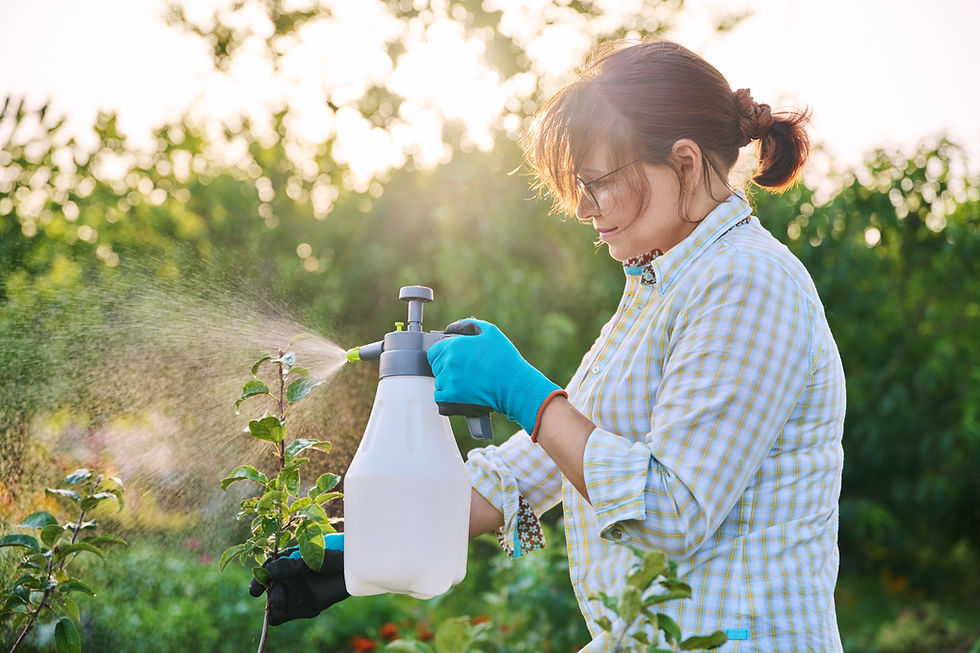
In modern agriculture, the need for environmentally responsible and sustainable pest management solutions has become increasingly important. One of the most effective and scientifically validated approaches is biological pest control, commonly referred to as bio pest control. This method uses natural organisms and biologically derived substances to manage pests, reduce crop damage, and maintain ecological balance.
This comprehensive guide explains what biological pest control is, how it works, the role of biocontrol agents, and the importance of plant-based extracts such as citronella and cinnamon in sustainable pest management.
What Is Biological Pest Control?
Biological pest control is the use of living organisms or natural products derived from them to suppress pest populations. Instead of relying on synthetic chemicals, this approach leverages natural predator-prey relationships, microbial activity, and plant-derived bioactive compounds.
The goal is to maintain pest populations below harmful levels while preserving ecological balance.
Types of Biological Pest Control
Biological pest control can be divided into three major categories:
1. Predators
These organisms consume pests directly.
Examples:
Lady beetles feeding on aphids
Lacewings feeding on soft-bodied insects
2. Parasitoids
Parasitoids lay eggs inside or on pests, eventually killing them.
Examples:
Parasitic wasps targeting caterpillars
3. Pathogens (Microbial Biocontrol Agents)
Microorganisms that infect and kill pests.
Examples:
Bacillus thuringiensis (Bt)
Beauveria bassiana
Metarhizium anisopliae
4. Botanical (Plant-Based) Biocontrol Agents
Plant extracts are increasingly used as natural bio pest control solutions.
Examples include:
Citronella oil – repels insects such as mosquitoes and aphids
Cinnamon extract – exhibits antifungal and antibacterial properties
Neem extract – disrupts insect feeding and reproduction
Garlic and chili extracts – act as natural repellents
These plant-based compounds are biodegradable, eco-friendly, and widely used in organic farming.
What Are Biocontrol Agents?
Biocontrol agents are the organisms or natural substances used to control pests. They include:
Beneficial bacteria and fungi
Predatory insects
Parasitic organisms
Plant-derived extracts
They function through:
Infection and mortality of pests
Repellency
Growth disruption
Competition with harmful organisms
How Biological Pest Control Works
Biological pest control relies on natural mechanisms:
1. Infection
Microbial agents infect pests, causing disease and death.
2. Predation
Natural predators reduce pest populations by feeding on them.
3. Parasitism
Parasitoids develop within pests, eventually killing them.
4. Repellency and Disruption (Botanical Extracts)
Plant extracts such as citronella and cinnamon repel pests or disrupt their feeding and reproduction cycles.
5. Toxin Production
Certain microbes produce toxins specific to pests, ensuring targeted control.
Biocontrol Agents in Organic Farming
Biological pest control is fundamental to organic farming systems, where synthetic pesticides are restricted.
Role of Biocontrol in Organic Farming:
Provides residue-free pest control
Maintains ecological balance
Supports soil microbial diversity
Enhances sustainability
Plant extracts like citronella and neem are especially popular in organic agriculture due to their safety and effectiveness.
Common Biocontrol Products Used in Agriculture
Modern biocontrol products are available in various formulations:
Microbial Products:
Trichoderma spp.
Botanical Products:
Citronella-based sprays
Cinnamon oil formulations
Neem-based insecticides
Beneficial Organisms:
Predatory insects
Beneficial nematodes
These products can be applied as:
Foliar sprays
Soil treatments
Seed coatings
Advantages of Biological Pest Control
1. Eco-Friendly
Reduces environmental pollution and chemical residues.
2. Target-Specific
Minimizes harm to beneficial organisms.
3. Safe for Humans and Animals
Especially true for microbial and plant-based solutions.
4. Resistance Management
Lower risk of pest resistance compared to chemical pesticides.
5. Soil Health Improvement
Enhances microbial diversity and soil structure.
Limitations of Biological Pest Control
1. Slower Action
Biological agents may take time to show results.
2. Environmental Dependence
Effectiveness depends on climate conditions.
3. Specific Targeting
Requires correct pest identification.
4. Short Residual Effect (Botanical Extracts)
Plant extracts may degrade quickly and require repeated application.
Application Methods of Biocontrol Products
1. Foliar Spray
Used for above-ground pest control.
2. Soil Application
Targets soil-borne pests and pathogens.
3. Seed Treatment
Protects plants during early growth stages.
4. Water Treatment
Used for controlling aquatic larvae such as mosquitoes.
Role in Integrated Pest Management (IPM)
Biological pest control is a core component of Integrated Pest Management (IPM).
IPM combines:
Monitoring
Cultural practices
Biological control
Minimal chemical use
Plant extracts and microbial agents are often the first line of defense in IPM systems.
Future of Bio Pest Control
The demand for bio pest control is growing rapidly due to:
Increased environmental awareness
Regulatory restrictions on chemicals
Demand for organic produce
Innovations include:
Advanced microbial formulations
Nano-based delivery systems
Improved plant extract stability
Biological pest control offers a sustainable, effective, and environmentally safe solution for managing pests in agriculture. By combining biocontrol agents, microbial solutions, and plant-based extracts like citronella and cinnamon, farmers can achieve efficient pest control while preserving ecosystem health.
As agriculture continues to evolve toward sustainability, biocontrol products and bio pest control strategies will play an increasingly vital role in ensuring long-term productivity and environmental protection.


Comments