What are the Oxygen Requirements of Pseudomonas fluorescens?

Updated: May 14
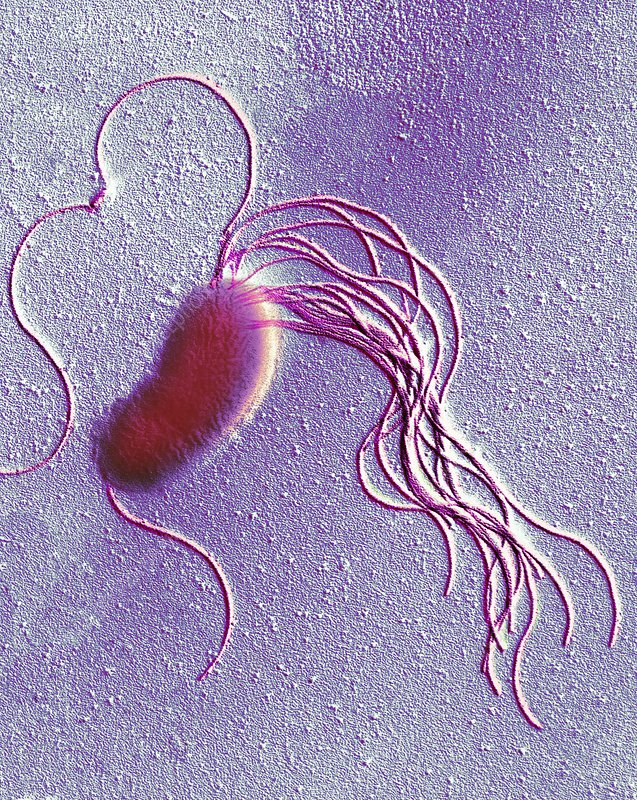
Pseudomonas fluorescens requires oxygen for optimal growth as an obligate aerobe, using it as the terminal electron acceptor in cellular respiration. Well-aerated environments support its rapid proliferation and agricultural benefits like biocontrol and nutrient solubilization. Oxygen levels influence motility, pigment production, and rhizosphere colonization.
Obligate Aerobic Nature
P. fluorescens carries out strict aerobic respiration, thriving at atmospheric oxygen (21%) with growth rates peaking at 25-30°C. It dies in fully anoxic conditions without adaptation, relying on O2 for energy via the electron transport chain. Low oxygen (below 2%) extends lag phase and slows division, though some strains adapt.
Tolerance to Low Oxygen
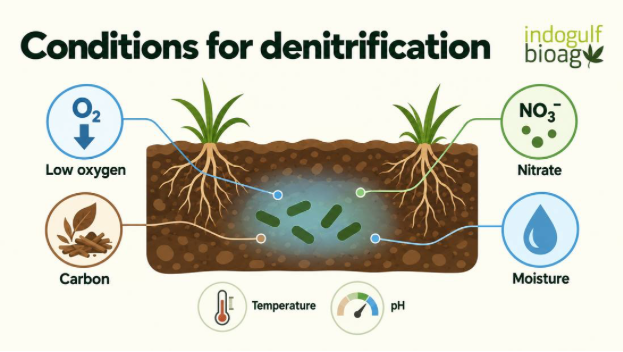
While obligate aerobic, certain strains like F113 grow slowly anaerobically using nitrate or nitrite as acceptors via denitrification. Microaerophilic levels (0.1-2% O2) sustain minimal growth after acclimation, key for biofilms in rhizospheres. As low as 0.1% O2 permits survival, but yields drop.
Pseudomonas fluorescens requires oxygen for optimal growth as an obligate aerobe, using it as the terminal electron acceptor in cellular respiration. Well-aerated environments support its rapid proliferation and agricultural benefits like biocontrol and nutrient solubilization. Oxygen levels influence motility, pigment production, and rhizosphere colonization.
Obligate Aerobic Nature
P. fluorescens carries out strict aerobic respiration, thriving at atmospheric oxygen (21%) with growth rates peaking at 25-30°C. It dies in fully anoxic conditions without adaptation, relying on O2 for energy via the electron transport chain. Low oxygen (below 2%) extends lag phase and slows division, though some strains adapt.
Tolerance to Low Oxygen
While obligate aerobic, certain strains like F113 grow slowly anaerobically using nitrate or nitrite as acceptors via denitrification. Microaerophilic levels (0.1-2% O2) sustain minimal growth after acclimation, key for biofilms in rhizospheres. As low as 0.1% O2 permits survival, but yields drop.
Agricultural Implications
Aeration matters for inoculant efficacy: soil pore spaces need 10-20% O2 for root colonization. Overly compacted or waterlogged fields limit activity; no-till and cover crops maintain oxygen flow. Hydroponics require bubbled systems for dissolved O2 above 5 mg/L.
Growth Response Table
O2 Level | Growth Effect | Application Note |
|---|---|---|
>21% (air) | Optimal rate | Field soils, standard culture |
2-20% | Good, minor lag | Rhizosphere, aerated hydro |
0.1-2% | Slow, adapted strains | Biofilms, low-O2 soils |
0% Anoxic | No growth | Avoid flooded fields |
High pressure O2 | Inhibits above 1.15 bar pure | Limit pure O2 aeration |
Adapted inocula perform better in variable O2.
P. fluorescens demands oxygen-rich niches for peak performance in farming.


Comments