How to Choose the Right Soil Conditioners: A Guide for Sustainable Soil Management

Updated: Apr 20
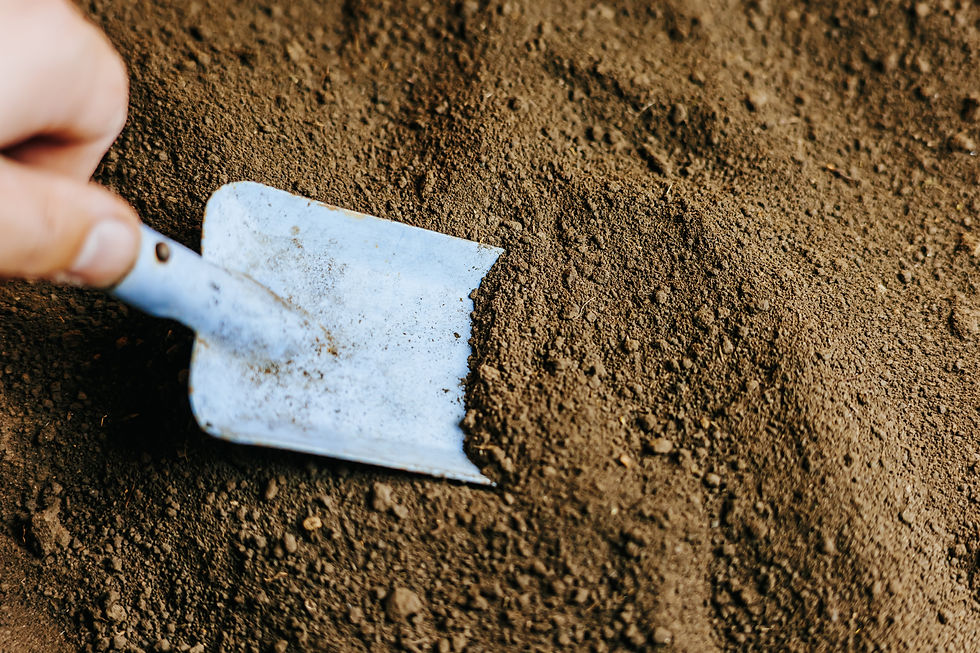
Healthy soil is the foundation of productive agriculture. However, many soils suffer from issues such as compaction, poor drainage, low organic matter, or nutrient deficiencies. Soil conditioners are materials added to soil to improve its physical structure, nutrient availability, and biological activity. Choosing the right soil conditioner is essential for improving soil fertility, promoting plant growth, and supporting sustainable farming systems.
This article explains what soil conditioners are, why they are important, and how farmers and gardeners can choose the most suitable soil conditioners based on soil type and crop needs.
What Are Soil Conditioners?
Soil conditioners are natural or organic materials added to soil to enhance its physical, chemical, and biological properties. They improve soil structure, increase nutrient availability, enhance water retention, and promote beneficial microbial activity.
Common soil conditioners include:
Compost
Vermicompost
Biochar
Green manure
Gypsum
Peat moss
Microbial biofertilizers
Unlike fertilizers, which mainly supply nutrients, soil conditioners primarily improve soil quality and structure.
Why Choosing the Right Soil Conditioner Matters
Different soils have different limitations. Some soils may hold too much water, while others drain too quickly or lack nutrients. Selecting the appropriate soil conditioner helps address these problems effectively.
Benefits of selecting the right soil conditioner include:
Improved soil aeration
Better water retention or drainage
Increased organic matter content
Enhanced microbial activity
Improved nutrient availability
Stronger root development
Choosing the wrong soil conditioner may not address the specific soil problem and can sometimes worsen soil conditions.
Factors to Consider When Choosing Soil Conditioners
1. Soil Type
Understanding your soil type is the first step in selecting an appropriate soil conditioner.
Sandy soils
Sandy soils drain water quickly and have low nutrient retention. Organic conditioners such as compost, manure, and vermicompost help improve water-holding capacity and increase nutrient availability.
Clay soils
Clay soils are dense and often poorly aerated. Soil conditioners like compost, biochar, and gypsum help break up compact soil and improve drainage and aeration.
Loamy soils
Loamy soils already have good structure, but adding organic matter such as compost can further improve soil fertility and microbial activity.
2. Soil Organic Matter Content
Organic matter plays a key role in maintaining soil health. If soil tests show low organic matter, organic soil conditioners should be used.
Examples include:
Compost
Vermicompost
Crop residues
Green manure
These materials enhance soil microbial activity and improve soil structure over time.
3. Soil Nutrient Status
Soil testing helps determine nutrient deficiencies.
Different soil conditioners can supply specific nutrients:
Compost provides balanced nutrients
Bone meal supplies phosphorus
Biofertilizers improve nutrient cycling
Green manure adds nitrogen to soil
Selecting soil conditioners based on nutrient requirements helps maintain balanced soil fertility.
4. Soil Drainage and Water Retention
Some soils retain too much water, while others dry out quickly.
For poorly drained soils
Use conditioners that improve soil structure and drainage, such as:
Compost
Gypsum
Biochar
For dry soils
Use materials that improve moisture retention, including:
Peat moss
Compost
Vermicompost
Improving water balance helps plants grow more efficiently.
5. Crop Requirements
Different crops require different soil conditions.
For example:
Vegetables generally require nutrient-rich soils with high organic matter.
Fruit crops benefit from improved soil structure and drainage.
Legumes prefer soils with healthy microbial populations.
Selecting soil conditioners based on crop needs ensures optimal plant growth and productivity.
6. Environmental Sustainability
Organic soil conditioners are often preferred because they support long-term soil health.
Sustainable soil conditioners include:
Compost
Vermicompost
Biochar
Crop residues
Microbial inoculants
These materials enhance soil biodiversity and reduce dependence on chemical inputs.
Types of Soil Conditioners and Their Uses
Soil Conditioner | Main Benefit | Best Used For |
|---|---|---|
Compost | Improves soil fertility and structure | Most soil types |
Vermicompost | Enhances microbial activity | Vegetable crops |
Biochar | Improves water retention and soil structure | Sandy soils |
Gypsum | Reduces soil compaction and improves drainage | Clay soils |
Green manure | Adds organic matter and nitrogen | Sustainable farming |
Peat moss | Improves moisture retention | Dry soils |
Best Practices for Applying Soil Conditioners
To maximize their effectiveness, soil conditioners should be applied correctly.
Recommended practices include:
Conducting soil tests before application
Applying conditioners during soil preparation
Mixing organic materials evenly into the soil
Using crop rotations and cover crops
Applying soil conditioners regularly to maintain soil health
Long-term soil improvement requires consistent management practices.
Conclusion
Choosing the right soil conditioner is essential for improving soil quality and supporting sustainable agricultural production. Factors such as soil type, organic matter content, nutrient status, water retention, and crop requirements should be carefully considered when selecting soil conditioners.
Organic soil conditioners such as compost, vermicompost, and green manure not only improve soil structure but also enhance microbial activity and nutrient cycling. By selecting appropriate soil conditioners and applying them correctly, farmers and gardeners can maintain healthy soils, improve crop productivity, and promote environmentally sustainable farming systems.


Comments