What is the Best Time to Apply Bacillus popilliae? A Complete Guide to Optimal Application Timing

Updated: Feb 9

Japanese beetle grubs and lawn grubs can devastate your gardens, ornamental plants, and agricultural crops, causing significant damage that undermines months of careful cultivation. Finding an effective solution that doesn't harm the environment or non-target organisms is crucial for sustainable agriculture and landscaping. Bacillus popilliae offers a safe, long-term biological control option, but like any pest management strategy, timing is everything. The question of when to apply this beneficial bacterium can mean the difference between outstanding pest control and disappointing results.
Understanding Bacillus popilliae: Your Biological Ally
Before diving into timing, it's important to understand what Bacillus popilliae is and why it works. This beneficial bacterium targets beetle grubs—particularly Japanese beetle grubs, lawn grubs, and white grubs—while remaining completely safe for non-target organisms, humans, and the environment. Unlike chemical pesticides that offer temporary relief, Bacillus popilliae establishes itself in the soil, providing long-term pest control. The bacterium works by infecting the grub's digestive system, making it an ideal choice for organic farming systems and environmentally conscious gardeners.
The Critical Timing Factor: Grub Life Cycles
The most important principle to understand is that Bacillus popilliae effectiveness depends directly on grub availability and susceptibility. Japanese beetle grubs don't remain in the same life stage year-round. Their lifecycle follows a predictable pattern that varies by region and season, and your application timing must align with when grubs are present in the soil and vulnerable to infection.
Grubs go through different developmental stages, and they're most vulnerable to Bacillus popilliae when they're actively feeding. Young grubs in their early instars are typically more susceptible to the bacterium than mature grubs, making application timing particularly important for maximum efficacy.
Seasonal Application Strategy: Seasonal Crops
For seasonal crops like vegetables, the application timing is relatively straightforward and offers two key windows:
First Application: Apply Bacillus popilliae at the land preparation stage, sowing, or planting phase. This timing is optimal because it allows the beneficial bacteria to establish themselves in the soil before grubs reach peak feeding activity. When you apply the bacterium early, it colonizes the soil environment, waiting for grubs to arrive and become infected.
Second Application: The second application should occur approximately three weeks after the first application. This timing is strategic because it ensures continuous bacterial presence in the soil and targets any new grub populations that may have hatched or moved into the treated area. The three-week interval provides sufficient time for the first application to establish while catching the next generation of vulnerable grubs.
This dual-application approach for seasonal crops maximizes the likelihood of grub control throughout the critical growing season when pest damage is most destructive.
Long-Duration Crops, Orchards, and Perennials: A Different Approach
Permanent or long-duration crops require a fundamentally different application strategy because grub populations persist in the soil year-round. For fruit trees, ornamental trees, orchards, and perennial plantings, the recommended approach involves two applications per year:
Pre-Monsoon Application: The first application should occur before the onset of monsoon rains, spring season, or the main rainfall period in your region. Why this timing? Monsoon rains and increased moisture activate grub feeding behavior and increase soil conditions favorable for bacterial infection. By applying Bacillus popilliae before this period, you establish the bacterium when conditions are becoming ideal for both the bacteria and the target grubs.
Post-Monsoon Application: The second application should be scheduled after the main monsoon, rainfall, autumn, or fall season concludes. This timing captures grubs that may have survived the pre-monsoon treatment while environmental conditions remain favorable for bacterial activity. The post-monsoon period typically marks the beginning of another feeding cycle for grubs, making it an ideal window for the second treatment.
This twice-yearly schedule ensures continuous biological control pressure on grub populations throughout the year, preventing population explosions during peak feeding seasons.
Dosage Adjustments Based on Application Timing
The timing strategy you select also influences the dosage requirements. For wettable powder formulations, seasonal crops typically require 10-50 kg per acre (25-125 kg per hectare), while long-duration crops require lower doses of 10-50 kg per acre for soil application or drip irrigation (or 1-5 kg per acre for soluble powder formulations).
The lower dosage for long-duration crops reflects the reduced frequency of application (twice yearly versus the two applications within a season for vegetables) and the continuous presence of bacteria from previous applications.
Seed Dressing: An Earlier Timing Advantage
Another crucial timing strategy involves seed dressing, which represents the earliest possible application point. By coating seeds with Bacillus popilliae mixed with crude sugar (10g bacterium + 10g crude sugar per kg of seed), you establish biological control from the moment seeds are planted. This approach ensures that bacteria are present when seedlings emerge and remain vulnerable to young grubs.
Important timing note: Treat seeds immediately before sowing and avoid storing treated seeds for more than 24 hours, as the bacteria's viability decreases during storage. This requirement emphasizes that timing extends beyond field application—it includes proper preparation timing as well.
Environmental Conditions and Application Timing
Beyond the seasonal calendar, environmental conditions significantly influence optimal application timing within your chosen windows:
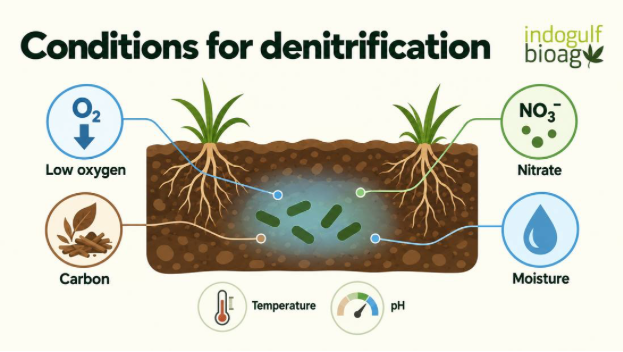
Soil Moisture: Apply Bacillus popilliae when soil moisture is adequate but not waterlogged. The bacterium requires moisture to survive and establish itself, but excessive water can wash it away. Apply after rain or ensure adequate irrigation following application.
Temperature Considerations: Soil temperature affects both bacterial activity and grub behavior. Apply Bacillus popilliae when soil temperatures align with your region's grub feeding season—typically spring for overwintering grubs and late summer for fall-generation grubs.
Crop Stage: For seasonal crops, the specified timing at land preparation, sowing, or planting stages is optimal because soil disturbance during preparation can enhance bacterial establishment and penetration into the root zone where grubs feed.
Compatibility Timing with Other Treatments
Since Bacillus popilliae is compatible with biofertilizers, biofertilizers, and plant growth hormones, you can time applications to coincide with these treatments for maximum efficiency. The bacterium can be mixed with compost and applied simultaneously with other biological inputs, reducing labor and application frequency. However, avoid applying chemical fertilizers or chemical pesticides within the same treatment window, as these can reduce bacterial viability.
Maximizing Your Results: Final Timing Recommendations
The best time to apply Bacillus popilliae ultimately depends on your specific situation: whether you're managing seasonal vegetable crops or permanent orchards, your geographical location and monsoon patterns, and your current grub pressure levels. For seasonal crops, adhere strictly to the land preparation/sowing and three-week-later schedule. For long-duration crops, commit to the pre-monsoon and post-monsoon application calendar.
Remember that Bacillus popilliae provides long-term pest control through consistent environmental presence. Early application and adherence to recommended timing intervals ensure that this beneficial bacterium becomes established in your soil, ready to intercept grub populations before they cause significant damage.
By timing your Bacillus popilliae applications strategically, you transform this biological control agent from a one-time treatment into a sustainable, season-long pest management system that protects your crops while respecting the environment.


Comments