Private Label Biofertilizer Manufacturing: How to Launch Your Own Product Brand

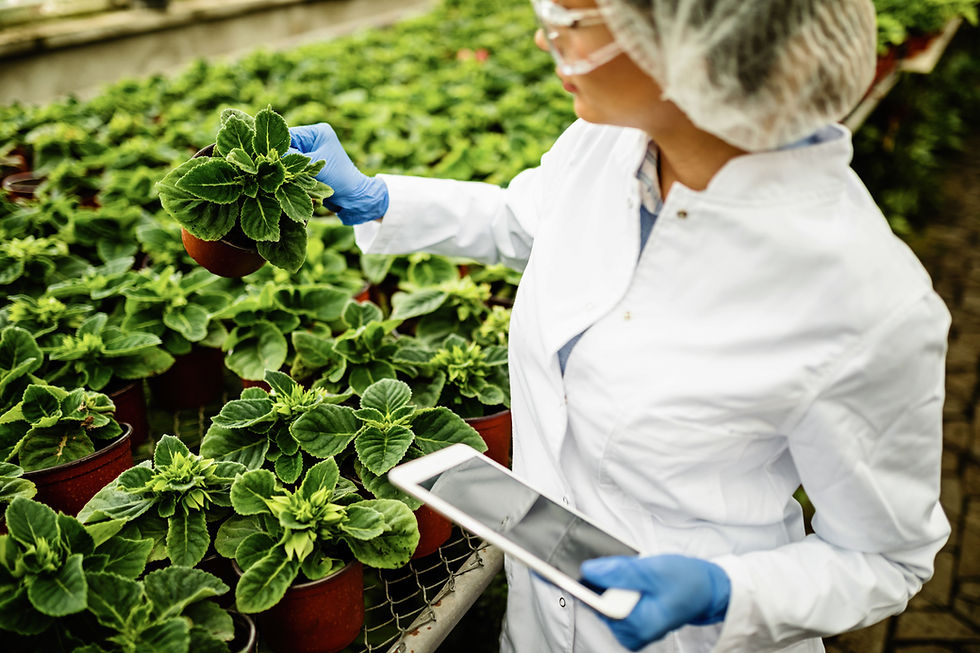
Launching an agricultural product brand starts with understanding your customers and offering a product that meets their needs. Building a fermentation plant, laboratory and packaging operation does not have to be part of that investment.
Private label biofertilizer manufacturing allows distributors, agricultural suppliers and entrepreneurs to bring products to market under their own brand through an established manufacturing partner. Your business directs the brand, customer relationships and sales strategy, while the manufacturer provides the agreed product development and production services.
IndoGulf BioAg brings together microbial expertise, formulation development, manufacturing and private label packaging. Businesses can select an existing formulation or discuss a customised product, creating a practical route from an initial idea to commercial supply. Its biotechnology capabilities also extend to cosmetic ingredients and formulation projects for personal-care brands. [1, 2, 3]
What Is Private Label Biofertilizer Manufacturing?
Private label manufacturing means a production partner manufactures a product for sale under another company's brand. The finished product carries your approved branding and market-specific label, supported by an agreed specification and supply arrangement.
For an agricultural distributor, this could mean introducing a root inoculant alongside an established fertiliser range. A horticultural supplier might develop a mycorrhizal product for nurseries, while a specialist input company could commission a microbial blend for a defined crop programme.
An existing formulation can simplify development. A custom project offers more scope to differentiate the product through its organisms, format or intended application. The appropriate route depends on your market, technical objectives and launch budget. [1, 3]
Products to Consider for Your Own Brand
IndoGulf BioAg's portfolio gives businesses several starting points for private label discussions. Final product selection should bring together customer demand, technical suitability, manufacturing feasibility and the requirements of the destination market.
Biofertilizers and Microbial Strains
Biofertilizer projects can focus on biological nitrogen fixation, nutrient mobilisation, root-associated activity or other defined plant nutrition functions. A single-organism product provides a focused proposition, while bulk microbial strains can support further formulation work.
Specify the organism, strain identity where applicable, viable concentration, application method and intended shelf life at the outset. These details help connect the product's technical specification with a clear customer benefit. [2, 4]
Nitrogen Fixing Bacteria
Nitrogen-fixing bacteria offer opportunities for brands serving legume growers, cereal producers and other agricultural markets. IndoGulf BioAg's portfolio includes groups such as Rhizobium, Azotobacter and Azospirillum, which have different relationships with plants.
Selection should reflect the crop and intended use. For example, a legume inoculant needs an appropriate crop-compatible organism. The commercial proposition should explain how the product complements the grower's nitrogen management programme, with recommendations grounded in the selected formulation and supporting trials. [4]
Microbial Blends
Microbial blends combine selected beneficial organisms in one formulation. They can support brands looking to address several related objectives, such as root development and nutrient availability.
A useful blend begins with a defined purpose. Compatibility between its organisms, stability during storage and suitability for the application method matter more than simply increasing the number of species on the label. IndoGulf BioAg's formulation services provide a route to develop and assess such combinations. [3, 5]
Mycorrhizae
Mycorrhizal inoculants are a relevant option for nursery, transplanting, horticultural and root-establishment programmes. Arbuscular mycorrhizal fungi form associations with compatible plant roots and extend the soil volume explored for nutrients and water.
Product development should consider crop compatibility, propagule concentration, formulation and placement near developing roots. Clear application instructions help customers use a private label mycorrhizal product effectively. [6]
Bio-Control Products
Biological crop protection is another area for product development, drawing on microbial groups within IndoGulf BioAg's portfolio, including Trichoderma, Beauveria and Metarhizium.
The selected strain, target problem and intended claims determine the development brief. A product marketed for pest or disease control needs a regulatory strategy appropriate to that use. Establishing this early helps align trials, documentation and label wording with the planned market launch. [7, 10]
Nano Fertilizers
Nano fertilizer projects allow agricultural brands to explore additional crop nutrition products alongside microbial inoculants. IndoGulf BioAg's range includes nitrogen products, NPK formulations, micronutrients and specialty products such as nano silica.
Selection should start with the nutrient requirement, application system and intended crop programme. Agree the nutrient analysis, product specification, recommended rate and evidence for the proposed claims. Nano fertilisers and living microbial products require their own formulation and quality criteria. [8]
Cosmetic Formulations and Fermented Ingredients
For skincare and personal-care businesses, IndoGulf BioAg offers biotechnology-derived ingredients such as fermented hyaluronic acid, microbial lysates and filtrates, and fermented botanical extracts.
These capabilities provide starting points for cosmetic formulation discussions. A brand interested in a finished private label product can define its preferred format, intended benefits, ingredient preferences and packaging requirements with the team. Ingredient supply, formulation development and finished-product manufacturing scope should be agreed for the individual project.
Cosmetic development follows its own requirements for safety, preservation, stability and labelling. Agricultural microorganisms and cosmetic ingredients should each be selected and evaluated for their intended use. [9, 11]
From Product Concept to Market Launch
1. Define Your Market and Product Brief
Begin with the customer you want to serve. Identify the country of sale, crop or cosmetic application, sales channel, preferred pack size and expected order volume.
For agricultural products, include the intended application method and the practical problem your customers face. For cosmetics, describe the intended user, product format and desired sensory characteristics. A focused brief makes technical discussions more productive and helps establish realistic commercial priorities.
2. Select an Existing Product or Develop a Custom Formulation
An existing formulation can provide a straightforward starting point where its specification and supporting documentation fit the intended market. Custom formulation is appropriate when the project needs a different organism combination, concentration, carrier or application format.
IndoGulf BioAg's development work can include evaluating microbial compatibility, adjusting formulation conditions and assessing stability. Agree confidentiality, access to supporting data, formulation ownership and any exclusivity terms before commissioning development. [3]
3. Evaluate Samples and Agree the Specification
Sample evaluation connects the proposed product with its intended commercial use. Agricultural projects may require application checks and crop trials; cosmetic projects may require assessment of texture, stability and packaging compatibility.
Before production, agree the measurable characteristics the supplied product must meet. Also establish the minimum order quantity, development costs, lead time, payment terms and required documentation. A sample confirms a development direction; the written specification defines the commercial supply requirement.
4. Manufacture and Verify Product Quality
For microbial products, manufacturing involves cultivating the selected organisms under controlled conditions, followed by suitable concentration, stabilisation and formulation. IndoGulf BioAg describes production options including liquid suspensions, wettable powders, freeze-dried powders and granules. [2]
Quality control should match the product. Microbial specifications can address identity, viable counts and contamination limits. Mycorrhizal products require appropriate propagule or infectivity criteria. Nutrient formulations need defined nutrient analysis and relevant physical properties, while cosmetic projects require suitable microbiological and stability assessments.
Agree the batch-release criteria and Certificate of Analysis requirements before production. Consistent documentation helps your team evaluate deliveries, answer distributor questions and maintain traceability. [2, 6, 11]
5. Prepare Packaging and Labels
Packaging must suit the formulation, distribution conditions and customer use. A retail pack and a bulk agricultural container serve different handling and dosing requirements.
IndoGulf BioAg's private label service includes packaging selection and label-design support. Bring together the brand presentation and required technical information, including the product identity, declared content, directions, storage conditions, batch identification and relevant company details.
Keep the proposed claims consistent across the label, website, brochure and distributor materials. This gives customers a clear explanation of what the product does and how to use it. [1]
6. Complete Regulatory Preparation
Product classification and destination-market requirements belong in the launch plan from the beginning. Fertilisers, microbial biostimulants, plant protection products and cosmetics can follow different routes.
IndoGulf BioAg offers support with classification, dossier preparation, supporting studies and label review. The required work depends on the product and jurisdiction. Agree which party will hold registrations or notifications, provide local representation where required and maintain the relevant records.
Manufacturing a product under your brand does not itself establish permission to sell it in every country. A clear regulatory plan connects the formulation, evidence and claims with the intended market. [12]
7. Launch and Plan Repeat Supply
Once the product, packaging and applicable market requirements are in place, prepare the commercial launch. Give sales teams and distributors clear product information, application guidance and answers to common technical questions.
Plan reorder timing around manufacturing lead times, seasonal demand and remaining shelf life. Gather customer feedback and trial results so future orders and product development reflect actual market experience. Start with a manageable product range and expand as demand becomes established.
Building a Commercially Sustainable Private Label Brand
Outsourcing production allows you to direct more resources towards distribution, technical sales and customer support. An established distributor can introduce an own-brand product through existing relationships, while a new business can concentrate on a focused market segment.
Evaluate the full cost of bringing each unit to market. Include manufacturing, packaging, freight, regulatory work, storage, sales support and channel margins. Consider the cost per treated hectare or application as well as the selling price per pack. A sound business model connects a useful product with repeat demand and a supply arrangement that supports growth.
Frequently Asked Questions
How to Start a Private Label Biofertilizer Business?
Choose your target market and a specific customer need, then identify the product category that fits. Develop a business plan covering sales channels, pricing, technical support and working capital. Contact IndoGulf BioAg with your product brief, destination country and estimated volume to discuss suitable formulations and the steps towards launch.
How to Get Private Label Biofertilizers Manufactured?
Select a manufacturing partner, review product options and evaluate samples. Agree the formulation specification, quality documentation, packaging, label, order quantity and commercial terms. Production and delivery can then be planned around the project's technical and regulatory requirements. IndoGulf BioAg offers both existing-formulation and custom-development routes.
Is Private Label Biofertilizer Manufacturing Legal?
Yes, private label manufacturing is a legitimate business model when the relevant manufacturing, product, labelling and market requirements are met. Obligations depend on the product and country. For example, the United States has a supplemental-distribution route for eligible registered pesticides sold under another company's brand, subject to defined conditions. Brand ownership does not replace the applicable authorisations or responsibilities. [10]
Is Private Label Biofertilizer Manufacturing Profitable?
It can be profitable when product demand, pricing, landed costs and repeat orders support the business. Outsourcing avoids the investment needed to establish your own production facility, but profitability also depends on distribution margins, inventory management, technical support and customer acquisition costs. Assess the complete business case before committing to a launch volume.
Who Are the Best Private Label Biofertilizer Manufacturers?
Launch Your Product Brand with IndoGulf BioAg
Bring your market knowledge and product concept to IndoGulf BioAg. Our team can help assess suitable formulations and define a development and supply plan for your brand.
Contact us with your target market, intended application, preferred format and estimated volume to discuss private label biofertilizers, microbial products, nano fertilizers or cosmetic formulation projects.

Sources
[1] IndoGulf BioAg Private Label Services. https://www.indogulfbioag.com/private-label
[2] IndoGulf BioAg Contract Manufacturing. https://www.indogulfbioag.com/contract-manufacturing
[3] IndoGulf BioAg Custom Formulation. https://www.indogulfbioag.com/custom-formulation
[4] IndoGulf BioAg Nitrogen Fixing Bacteria. https://www.indogulfbioag.com/nitrogen-fixing-bacteria
[5] IndoGulf BioAg Microbial Blends. https://www.indogulfbioag.com/microbial-blends
[6] IndoGulf BioAg Arbuscular Mycorrhizal Fungi. https://www.indogulfbioag.com/amf
[7] IndoGulf BioAg Biocontrol. https://www.indogulfbioag.com/biocontrol
[8] IndoGulf BioAg Nano Fertilizers. https://www.indogulfbioag.com/nano-fertilizers
[9] IndoGulf BioAg Cosmetics. https://www.indogulfbioag.com/cosmetics
[10] US EPA Supplemental Distribution of a Registered Pesticide. https://www.epa.gov/pesticide-registration/pesticide-registration-manual-chapter-9-supplemental-distribution-registered
[11] US FDA Small Businesses and Homemade Cosmetics Fact Sheet. https://www.fda.gov/cosmetics/resources-industry-cosmetics/small-businesses-homemade-cosmetics-fact-sheet
[12] IndoGulf BioAg Regulatory Support. https://www.indogulfbioag.com/regulatory-support


Comments