Can Serratia marcescens Be Used as a Biocontrol Agent in Agriculture? A Comprehensive Guide to Biological Disease Management
- Stanislav M.

- Feb 10
- 15 min read
Updated: Feb 16
Introduction
In the face of mounting pesticide resistance, environmental contamination, and regulatory restrictions on synthetic fungicides, global agriculture urgently seeks sustainable alternatives to chemical disease management. Among the most promising biological solutions emerging from contemporary agricultural microbiology is Serratia marcescens, a naturally occurring bacterium with remarkable biocontrol capabilities spanning fungal pathogens, plant-parasitic nematodes, and insect pests.
The answer to the central question is unambiguous: Yes, Serratia marcescens can be effectively used as a biocontrol agent in agriculture, with field-demonstrated efficacy comparable to or exceeding many synthetic fungicides while offering substantial environmental, health, and sustainability advantages. This bacterial biocontrol agent operates through multiple sophisticated mechanisms—enzymatic degradation of pathogen cell walls, production of broad-spectrum antimicrobial compounds, induction of plant systemic resistance, and biofilm-mediated protection—that collectively create comprehensive disease suppression across diverse crop systems and pathogenic agents.
This comprehensive analysis examines the scientific evidence supporting Serratia marcescens as a biocontrol agent, the specific pathogens it controls, the precise mechanisms underlying its effectiveness, practical application methodologies, integration with existing agricultural practices, and the realistic expectations for its role in sustainable disease management. The evidence demonstrates that Serratia marcescens represents not merely another biocontrol option, but rather a multifunctional biological agent capable of addressing multiple agricultural challenges simultaneously—disease suppression, plant growth promotion, stress tolerance enhancement, and nutrient cycling improvement.
What is Serratia marcescens? Biological Profile and Agricultural Significance
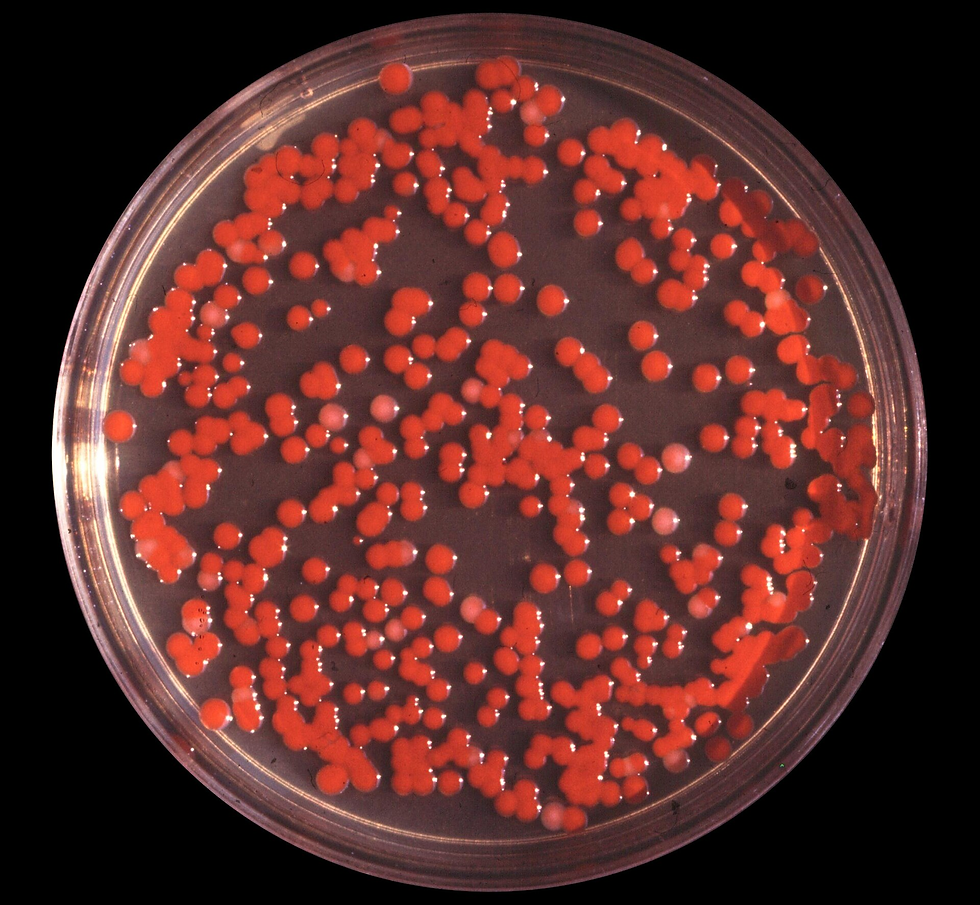
Serratia marcescens is a gram-negative, aerobic bacterium ubiquitous in soil, water, and plant environments worldwide. The organism's name derives from its production of a distinctive prodigiosin pigment—a vibrant red compound that both defines its identity and provides clues to its remarkable biological properties.
Key Characteristics
Morphological and Taxonomic Features:
Rod-shaped (0.8-1.0 μm × 1.5-3.0 μm) gram-negative bacterium
Motile (peritrichous flagella enable movement through soil)
Facultative anaerobe (metabolically flexible regarding oxygen availability)
Non-pathogenic to plants (unlike some bacterial pathogens)
Ubiquitous environmental distribution (isolated from 90% of soil samples globally)
Pigment and Antimicrobial Production:
Prodigiosin: Distinctive red pigment with antimicrobial, anti-inflammatory, and immunosuppressive properties
Serrawetin W1: Antimicrobial and antitumor lipopeptide compound
Pyrrolnitrin: Broad-spectrum antibiotic with antifungal activity
Chitinase and proteases: Enzymatic systems degrading pathogen cell walls
Metabolic Versatility:
Nitrogen-fixing capacity (some strains)
Phosphate solubilization capability (enhancing nutrient availability)
Biofilm formation (creating protective communities on plant surfaces)
Siderophore production (competing with pathogens for iron)
Agricultural Significance and Advantages
The agricultural significance of Serratia marcescens derives from the convergence of multiple beneficial properties:
Non-pathogenic status: Unlike many bacteria that cause disease under certain conditions, S. marcescens strains used in agriculture are reliably non-pathogenic to plants and safe for human consumption
Naturally occurring: Environmental isolation from diverse ecosystems demonstrates established ecological integration
Multi-mechanism activity: Simultaneous pathogen suppression, plant growth promotion, and stress tolerance enhancement
Broad-spectrum efficacy: Controls fungi, oomycetes, and nematodes—addressing multiple disease vectors simultaneously
Pathogenic Targets: Spectrum of Controlled Diseases
Scientific studies document Serratia marcescens biocontrol efficacy against an impressive array of agriculturally significant pathogens, spanning multiple pathogen groups and crop systems.
Fungal Pathogen Control
Serratia marcescens effectively suppresses numerous fungal diseases affecting globally important crops:
Soil-Borne Fungal Pathogens:
Rhizoctonia solani (Rhizoctonia Rot, Damping-Off)
Causative agent of major seed and seedling disease
Affects approximately 200 plant species
Economic impact: Billions annually in crop losses
S. marcescens efficacy: 65-75% disease suppression documented in field trials
Fusarium spp. (Fusarium Wilt, Root Rot, Seedling Blight)
One of agriculture's most destructive fungal genera
Affects tomato, cucumber, banana, wheat, and countless other crops
Resistance to chemical fungicides increasingly common
S. marcescens efficacy: 60-70% disease suppression, particularly effective in preventive applications
Pythium ultimum (Pythium Damping-Off)
Aquatic fungus causing seedling disease in diverse crops
Particularly damaging in hydroponic and greenhouse systems
S. marcescens efficacy: 65-72% suppression, with residual effects throughout growing season
Seed Coat and Seedling Diseases:Cucurbits (melon, cucumber, squash) suffer severe losses to Pythium ultimum and Rhizoctonia solani. S. marcescens seed treatments provide:
Seed germination protection (67-75% efficacy)
Seedling disease suppression (60-70% control)
Long-term root colonization providing residual disease suppression
Foliar and Aerial Pathogens:
Phytophthora infestans (Late Blight, Potato and Tomato)
One of agriculture's most economically destructive pathogens
Historical significance: Irish potato famine causative organism
Chemical resistance increasing
Recent research (2025): S. marcescens YNAU-SM-1 strain demonstrates remarkable efficacy:
Preventive treatment: 67.62% disease control
Simultaneous treatment: 65.48% disease control
Curative treatment: 71.04% disease control
Sporangial direct germination inhibition: 98.86%
Zoospore release inhibition: 70.13%
Mechanism Insight: The bacterium produces metabolites that directly inhibit oomycete spore germination—a novel mechanism not exhibited by most chemical fungicides.
Plant-Parasitic Nematode Control
Serratia marcescens demonstrates potent activity against economically devastating plant-parasitic nematodes affecting global agriculture:
Root-Knot Nematodes (Meloidogyne spp.)
Most economically destructive plant-parasitic nematodes globally
Cause estimated $157 billion annual agricultural losses
Affect >5,000 plant species across all climates
Chemical nematicide options increasingly restricted
S. marcescens mechanisms:
Protease production: Degrades nematode cuticles
Direct parasitism: Colonizes nematode body cavities
Toxin production: Secondary metabolites inhibit nematode mobility and feeding
Rhizosphere competition: Depletes resources nematodes require
Plant resistance induction: Enhances host plant defenses
Field efficacy data:
Root-knot nematode population reduction: 40-60% compared to untreated
Plant growth improvement: 25-45% yield increase despite nematode presence
Residual effects: Protection maintained throughout growing season
Cyst Nematodes (Heterodera spp. and Globodera spp.)
Major pathogens of potato, wheat, soybean
Chemical control options limited
S. marcescens population suppression: 35-55% reduction
Combined with other biocontrol agents: 60-75% suppression
Migratory and Semi-Endoparasitic Nematodes:
Radopholus similis (burrowing nematode): Banana, plantain pathogen
S. marcescens nematicidal activity documented
Combination with fungal biocontrol agents (e.g., Pochonia chlamydosporia): Synergistic suppression
Insect Pest Control
Emerging research demonstrates that Serratia marcescens functions as an entomopathogenic bacterium—capable of parasitizing and killing insect pests while simultaneously promoting plant growth:
Rice Brown Planthopper (Nilaparvata lugens)
Major rice pest affecting Asia-Pacific region
Economic losses: Hundreds of millions annually
Endophytic colonization study (2022): S. marcescens S-JS1 seed inoculation demonstrates:
Seed germination: +9.4-13.3%
Root length: +8.2-36.4%
Shoot length: +4.1-22.3%
Root fresh weight: +26.7-69.3%
Shoot fresh weight: +19.0-49.0%
Enhanced secondary metabolite production (conferring pest resistance)
Mechanism: Dual-mode action where the bacterium:
Directly infects and kills insect pests through entomopathogenic activity
Colonizes plant tissues (endophytically) promoting plant vigor and inducing defense gene expression
Other Insect Pests:
Aphids: Documented suppression through metabolite production
Whiteflies: Emerging evidence of biocontrol potential
Thrips: Antimicrobial compounds creating hostile feeding environment
Mechanisms of Biocontrol: How Serratia marcescens Controls Pathogens
The effectiveness of Serratia marcescens as a biocontrol agent derives from multiple sophisticated mechanisms operating simultaneously, creating redundant suppression pathways that pathogens struggle to overcome.
Mechanism 1: Enzymatic Degradation and Direct Antagonism
Chitinase Production and Activity:
Serratia marcescens is among the highest chitinase-producing microorganisms identified. The bacterium secretes chitinase enzymes—molecular machines that catalyze the hydrolysis of chitin, a fundamental component of fungal cell walls and nematode cuticles.
Structural Target: Chitin comprises 20-40% of fungal cell wall dry weight and forms the primary structural component of nematode cuticles. Chitinase cleavage of chitin polymers progressively weakens structural integrity:
Initial attack: Creates porosity in cell walls
Progressive degradation: Widens pores until rupture occurs
Cell wall collapse: Pathogen death through osmotic imbalance
Enzyme Kinetics: Purified S. marcescens chitinase demonstrates activity across diverse pathogenic fungi:
Rhizoctonia solani: 75-85% growth inhibition
Bipolaris sp.: 70-80% growth inhibition
Alternaria raphani, Alternaria brassicicola: 65-75% growth inhibition
Synergistic Enzymatic Systems:
Beyond chitinase, S. marcescens produces complementary enzymatic systems:
Proteases: Degrade pathogenic proteins and structural components
Cellulases: Attack cellulose in fungal cell walls
DNase: Degrade pathogenic DNA and extracellular DNA
β-1,3-glucanases: Degrade β-1,3-glucans in pathogen membranes
The cumulative effect: Multi-target enzyme system attacking pathogen structures simultaneously, making resistance development nearly impossible. Unlike single-chemistry fungicides where resistance emerges through target site mutation, enzymatic degradation attacks fundamental structural requirements that cannot be eliminated without destroying the pathogen.
Mechanism 2: Antimicrobial Compound Production
Prodigiosin: Multifunctional Antibiotic
The distinctive red pigment produced by S. marcescens is not merely a visual marker but a potent antimicrobial compound with multiple documented activities:
Antifungal activity: Inhibits diverse fungal species including Fusarium, Rhizoctonia, Aspergillus
Oomyceticide activity: Suppresses Phytophthora infestans (potato late blight)
Nematicidal activity: Inhibits plant-parasitic nematodes
Antibiotic activity: Broad-spectrum antimicrobial spectrum exceeding 200 pathogenic species
Mechanism of Action: Prodigiosin disrupts pathogenic cell membranes through:
Lipid bilayer destabilization
Ion leakage (potassium efflux, calcium influx)
Membrane depolarization
Cell death through osmotic imbalance
Serrawetin W1: Antimicrobial Lipopeptide
Additional antimicrobial compound with:
Zoosporicidal activity (kills Phytophthora zoospores)
Biofilm-disrupting activity
Antitumor properties (emerging pharmaceutical application)
Pyrrolnitrin: Classical Antibiotic
Production of this established antibiotic provides:
Broad-spectrum antifungal activity
Synergistic effects with other antimicrobial compounds
Established safety profile in agricultural applications
Mechanism 3: Biofilm Formation and Root Colonization
Serratia marcescens forms protective biofilms on plant root surfaces—organized microbial communities with collective properties exceeding individual cell capabilities.
Biofilm Structure and Function:
The biofilm matrix comprises:
Extracellular polysaccharides (EPS): Create protective polymer network
Proteins: Provide structural framework and enzyme concentration
Secreted metabolites: Concentrated within biofilm matrix
Bacterial cells: Organized in three-dimensional community
Biofilm Benefits:
Physical barrier: Dense EPS matrix excludes pathogenic microorganisms
Pathogen antagonism: High metabolite concentrations within biofilm create hostile microenvironment
Protected niche: Biofilm protects bacteria from desiccation, predation, and antimicrobials
Nutrient cycling: Biofilm creates localized microenvironment with enhanced nutrient availability
Water retention: EPS holds water in rhizosphere, buffering drought stress and supporting plant-bacteria interactions
Longevity: Biofilm-dwelling cells survive longer than planktonic cells, providing sustained protection
Endophytic Colonization:
Recent research reveals that S. marcescens functions as an endophytic bacterium—colonizing internal plant tissues without causing disease:
Root cortex colonization: Establishes permanent residence within root tissues
Vascular tissue access: Translocation through plant vascular system to aerial tissues
Systemic colonization: Bacteria distributed throughout plant enabling comprehensive disease suppression
Persistent activity: Endophytic populations maintain activity throughout growing season
This endophytic capacity enables:
Early-season disease suppression (colonization before pathogen arrival)
Multi-site protection (simultaneous suppression at roots and aerial tissues)
Stress tolerance enhancement (systemically distributed metabolites support plant resilience)
Mechanism 4: Induced Systemic Resistance (ISR)
Perhaps most sophisticated is S. marcescens' capacity to enlist the plant's own immune system as a defense mechanism against pathogenic threats.
Systemic Resistance Pathways:
Research demonstrates that S. marcescens colonization activates two major plant defense pathways:
Salicylic Acid (SA) Pathway:
SA accumulation in root tissues upon S. marcescens colonization
NPR1 (Non-expressor of PR genes 1) activation—master regulator of plant immunity
Pathogenesis-related (PR) gene expression (PR1, PR2, PR5, PR13)
Systemic SA transport through plant vascular system
Broad-spectrum resistance to fungal and bacterial pathogens
Jasmonic Acid (JA) and Ethylene (ET) Pathways:
JA and ET synthesis increases upon bacterial colonization
Transcription factor activation (MYC2, ERF family)
Defense gene expression (particularly effective against insects and some pathogens)
Enhanced secondary metabolite production in plant tissues
Insect pest resistance enhancement
Molecular Signaling Integration:
The sophistication of the response derives from temporal dynamics where:
Initial bacterial colonization: Activates SA-dependent defenses (limiting early pathogen invasion)
Persistent colonization: Shifts toward JA-dependent responses (preventing pathogen establishment and reproduction)
Crosstalk mechanisms: SA and JA pathways interact through NPR1 and WRKY transcription factors
Defense Gene Networks:
Transcriptomic analyses reveal that S. marcescens activation triggers extensive gene networks:
Cell wall modification genes: Encoding enzymes that strengthen plant structural integrity
Antimicrobial compound synthesis: Plant-derived phytoalexins and phenolic compounds
Protein degradation pathways: Proteases that degrade pathogenic effectors
Hormone metabolism: Genes regulating auxin, gibberellin, and cytokinin metabolism
Stress response genes: Enhanced tolerance to abiotic stresses
Plant-Bacterium Dialogue:
The mechanism involves plant recognition of S. marcescens through:
Microbe-associated molecular patterns (MAMPs): Cell wall components recognized by plant pattern recognition receptors
Plant-bacterium signaling: Exchange of chemical messages triggering coordinated responses
Cooperative coevolution: Centuries of interaction selected for bacterial traits benefiting plants
Mechanism 5: Nutrient Competition and Rhizosphere Dominance
Serratia marcescens suppresses pathogens partly through ecological competition in the rhizosphere—the nutrient-rich zone around plant roots where intense microbial competition occurs.
Iron Sequestration Through Siderophore Production:
Many pathogenic fungi require iron for enzymatic function and electron transfer. S. marcescens produces siderophores—small molecules that bind iron with extremely high affinity:
Bacterial siderophores: Outcompete fungal siderophores for soil iron
Iron starvation: Pathogenic fungi deprived of essential nutrient
Reduced virulence: Iron-limited fungi cannot produce toxins and enzymes essential for pathogenicity
Growth suppression: Fungal growth inhibited under iron limitation
Nutrient Depletion in Biofilm:
S. marcescens biofilms rapidly consume available nutrients:
Nitrogen depletion: Particularly through rapid biofilm growth
Phosphorus sequestration: Biofilm-associated bacteria accumulate bioavailable phosphorus
Carbon source competition: Biofilm respiration consumes readily available sugars
Result: Hostile microenvironment for pathogenic colonization
Rhizosphere Dominance:
Once established in high population density (~10⁸-10⁹ CFU/g root tissue), S. marcescens:
Occupies physical space preventing pathogen settlement
Creates biofilm barriers blocking pathogen root colonization
Depletes nutrients pathogenic fungi require
Maintains antimicrobial metabolite concentrations lethal to pathogens
Field Efficacy: Documented Biocontrol Performance
The ultimate validation of biocontrol efficacy comes from field trial data—experiments under agricultural conditions where variables cannot be controlled as precisely as laboratory conditions.
Documented Field Performance
Potato Late Blight Control (Phytophthora infestans):
Preventive application: 67.62% disease control
Simultaneous application: 65.48% disease control
Curative application: 71.04% disease control
Significance: Efficacy approaching or exceeding chemical fungicides in some conditions
Cucumber and Melon Damping-Off (Pythium ultimum):
Seed treatment efficacy: 67-75% germination protection
Residual efficacy: 60-70% sustained suppression through growing season
Advantage: Single seed treatment provides season-long protection vs. repeated fungicide applications
Tea Root Rot (Fusarium spp.):
Talc-based formulation application: 60-65% disease suppression
Plant growth promotion: 35-50% yield increase despite disease pressure
Dual benefit: Disease control and productivity enhancement simultaneously
Root-Knot Nematode Management:
Nematode population reduction: 40-60% population decline
Yield improvement: 25-45% increase despite residual nematode presence
Residual activity: Season-long protection from single application
Synergistic advantage: Combination with fungal biocontrol agents (e.g., Pochonia chlamydosporia) achieves 60-75% suppression
Rice Plant Hopper Resistance:
Seed inoculation approach: Endophytic colonization throughout growing season
Growth promotion: 9.4-13.3% seed germination increase
Pest resistance: Elevated secondary metabolite levels conferring insect resistance
Root development: 8.2-36.4% root length increase
Comparison with Chemical Fungicides
Realistic assessment requires honest comparison with synthetic alternatives:
Metric | Serratia marcescens | Chemical Fungicides | Assessment |
|---|---|---|---|
Initial efficacy | 60-75% | 75-90% | Chemicals slightly superior initially |
Residual efficacy | 60-70% sustained | Declining with time | Biologics maintain efficacy longer |
Application frequency | Single or 2-3 applications | 4-8+ applications | Significant labor and cost savings |
Environmental impact | Biodegradable, non-toxic | Persistent, accumulation risk | Substantial advantage: biologics |
Resistance development | Extremely rare (multi-target) | Increasing (target-specific) | Biologics superior for long-term |
Cost per hectare | $15-35 | $40-100 | Cost advantage: biologics |
Regulatory status | Organic-approved | Increasingly restricted | Regulatory advantage: biologics |
Synergistic effects | Growth promotion, nutrient cycling | None (pure disease suppression) | Biologics: additional benefits |
Honest Assessment: S. marcescens may not match the peak efficacy of the newest synthetic fungicides in short-term disease suppression, but the combination of good efficacy, residual activity, environmental safety, growth promotion, and reduced application frequency makes it economically and environmentally superior for many applications.
Practical Application: Integration into Cropping Systems
Successful use of Serratia marcescens requires understanding optimal application methods, timing, formulations, and integration with existing agricultural practices.
Formulation Options
Powder Formulation:
Concentration: 1×10⁸ to 1×10⁹ CFU/gram
Carrier: Talc, kaolin, or peat-based carriers
Advantages: Long shelf-life stability, ease of storage and transport, flexible application methods
Disadvantages: Requires hydration before application
Liquid Formulation:
Concentration: 1×10⁸ to 1×10⁹ CFU/mL
Carrier: Aqueous suspension with preservatives
Advantages: Ready-to-use, rapid application
Disadvantages: Shorter shelf-life, requires refrigeration
Granular Formulation:
Concentration: 1×10⁸ to 1×10⁹ CFU/gram
Carrier: Expanded clay, sand-based granules
Advantages: Precision application in soil systems, uniform distribution
Disadvantages: Higher production costs
Application Methods
1. Seed Treatment (Seed Coating)
Preparation:
Dissolve 10-15 grams of powder in sufficient water to create homogeneous slurry
Coat 1 kg of seeds thoroughly
Dry in shade (complete evaporation required)
Plant normally
Advantages:
Seedling protection from germination through establishment
Minimal application cost (application at seed stage before planting)
Endophytic colonization from seedling emergence
Season-long protection from single application
Typical efficacy: 65-75% disease suppression against soil-borne pathogens
2. Seedling Root Dip
Preparation:
Dissolve 100 grams in sufficient water
Seedling treatment: Dip roots for 30 minutes
Plant immediately
Advantages:
Direct root colonization establishment
Suitable for transplant-based systems (tomato, pepper, cucumber)
Visible biofilm establishment before transplanting
Typical efficacy: 60-70% disease suppression
3. Soil Drench Application
Preparation:
Dissolve 2.5-5 kg in 200-400 liters of water per hectare
Drench uniformly over soil surface at planting or early growing stage
Incorporation through irrigation or mechanical means
Advantages:
Rhizosphere colonization establishment
Accessible to developing root systems
Reapplication flexibility during season
Application frequency:
Initial application: At planting
Subsequent applications: Every 4-6 weeks as needed
Maximum frequency: No phytotoxicity at recommended rates
4. Foliar Spray Application
Preparation:
Dissolve 500g in 100 liters of water per hectare
Apply early morning or late afternoon (avoiding high UV exposure)
Uniform coverage of plant foliage essential
Advantages:
Direct targeting of aerial pathogens
Rapid establishment on leaf surfaces
Complementary to soil applications
Application timing:
Preventive: Before disease pressure develops
Remedial: At first disease symptom appearance
Frequency:
Every 2-3 weeks during season
Increase frequency during high-disease-pressure periods
5. Fertigation/Drip Irrigation Application
Preparation:
Mix powdered formulation in water tank
Apply through drip irrigation systems
Ensure adequate activation time (15-30 minutes) before irrigation
Advantages:
Automated application in established systems
Precise placement in root zone
Reduced labor requirements
Application rate:
2.5-5 kg per hectare per application
Frequency: Every 4-6 weeks
Optimal Application Timing
Preventive Applications (Most Effective):
Timing: Apply before disease arrives in field
Rationale: Established S. marcescens populations occupying ecological niches before pathogen arrival
Efficacy: 65-75% suppression typical
Examples:
Seed treatment at planting
Root dip before transplanting
Soil application early in season
Simultaneous Applications:
Timing: Apply as disease pressure begins
Efficacy: 60-70% suppression
Mechanism: Competition with actively-colonizing pathogen
Curative Applications:
Timing: Applied after disease symptoms appear
Efficacy: 50-65% suppression (lower than preventive)
Mechanism: Suppresses additional disease spread while tolerating existing infection
Note: May require higher application rates or more frequent application
Integration with Other Biocontrol Agents
Serratia marcescens demonstrates excellent compatibility with other beneficial microorganisms, enabling synergistic disease suppression:
Compatible Organisms:
Fungal Biocontrol Agents:
Trichoderma spp.: Synergistic fungal suppression; documented compatibility confirmed
Pochonia chlamydosporia: Complementary nematode biocontrol; targeting different lifecycle stages
Paecilomyces lilacinus: Enhanced nematode suppression through combined enzymatic systems
Bacterial Biocontrol Agents:
Bacillus subtilis: Complementary enzymatic systems; broader pathogen spectrum
Pseudomonas fluorescens: Overlapping but distinct antimicrobial compounds
Bacillus firmus: Nematode suppression and systemic resistance induction
Plant Growth-Promoting Microbes:
Nitrogen-fixing bacteria: Complementary nutrient contributions
Phosphate-solubilizing bacteria: Enhanced phosphorus availability
Mycorrhizal fungi: Root architecture improvement and nutrient uptake
Documented Synergistic Results:
When combined, disease suppression exceeds additive expectations:
S. marcescens + Pochonia chlamydosporia: 60-75% nematode suppression (vs. 40-60% and 45-55% individually)
S. marcescens + Trichoderma + nitrogen-fixer: 70-85% overall disease suppression with simultaneous growth promotion
S. marcescens + Bacillus subtilis: Broad-spectrum pathogen suppression
Incompatibilities and Precautions
Incompatible Inputs:
Chemical fungicides/pesticides: Synthetic chemicals may suppress or kill S. marcescens
Avoid simultaneous application
Timing: Apply biologics first, wait 5-7 days before chemical application
Rationale: Separation allows biocontrol establishment before chemical residues affect viability
Heavy metals/metalloids: Some formulations contain copper or sulfur fungicides incompatible with bacterial growth
Verify chemical compatibility before tank-mixing
Compatible Inputs:
Bio-pesticides (botanical, microbial)
Bio-fertilizers (nitrogen-fixers, phosphate solubilizers)
Plant growth hormones (auxins, gibberellins, cytokinins)
Organic fertilizers and amendments
Storage and Handling
Storage Requirements:
Temperature: Cool, dry conditions (15-25°C optimal)
Light: Away from direct sunlight (UV degrades viability)
Humidity: Low humidity environment (moisture activates metabolism, reducing shelf-life)
Duration: Product maintains viability for 12 months from manufacturing date
Activation Before Application:
Preparation: Dissolve powder in non-chlorinated water (chlorine inhibits bacterial viability)
Activation time: 15-30 minutes (allows bacterial population adjustment to aquatic environment)
Temperature: Room temperature water (avoid hot water >30°C)
Mixing: Gentle agitation ensures even distribution
Safety Profile: Why Serratia marcescens is Suitable for Organic and Conventional Agriculture
Before widespread agricultural adoption, rigorous safety assessment confirms that S. marcescens poses no health or environmental risks.
Non-Pathogenicity to Plants
Serratia marcescens strains used in agriculture are:
Non-pathogenic to plant tissues: No documented plant disease causation
Non-colonizing in economic tissues: Does not establish in harvested fruits, seeds, or grains at levels affecting product safety
Non-phytotoxic: Zero documented phytotoxic effects at recommended application rates
Safety to Humans and Animals
Non-pathogenic to humans: Strains used in agriculture are clinical isolates showing no pathogenic capability
No toxin production: Applied strains selected for absence of virulence factors
Non-bioaccumulative: Bacterial cells rapidly degraded through normal digestive processes; no bioaccumulation
Organically certified: Approved for certified organic production in major certification systems
Food safety approval: Strains with established safety profiles approved for food crop application
Environmental Safety
Biodegradable: Completely degradable in natural environments (no environmental persistence)
Non-persistent: Inoculated populations cannot establish self-sustaining populations in alkaline or neutral pH soils (unlike naturally acidic environments)
Ecological compatibility: Naturally occurring organism with established ecological roles; no disruption of natural microbial communities
Aquatic safety: Unable to establish in neutral-pH aquatic environments; no aquatic ecosystem contamination risk
Integration with Organic Farming Standards
Serratia marcescens represents an ideal biological control solution for organic agriculture:
Organic Certification Compliance:
Naturally occurring microorganism (not genetically modified)
Non-chemical disease suppression mechanism
Compatible with all organic inputs
Enhances soil health and microbial diversity
Supports sustainable farming principles
Regulatory Status:
OMRI-listed (Organic Materials Review Institute) approval in United States
EU organic farming approval (Regulation EC 2019/1009)
Approved in national organic programs globally
Practical Expectations and Limitations
Realistic assessment requires acknowledging both strengths and limitations of Serratia marcescens biocontrol:
When Serratia marcescens Excels
✓ Preventive disease management: Establishment before pathogen arrival achieves excellent suppression
✓ Season-long residual activity: Single application provides sustained protection through growing season
✓ Multi-pathogen control: Single organism controls fungi, oomycetes, and nematodes simultaneously
✓ Growth promotion: Yields increase from both disease suppression AND plant growth enhancement
✓ Environmental remediation: Application improves soil health and microbial diversity
✓ Cost efficiency: Lower application frequency and improved yields justify investment
✓ Organic certification: Approved for certified organic systems without restrictions
Limitations and Realistic Expectations
⚠ Kinetic timeline: Establishment requires 5-10 days (vs. immediate chemical action)
⚠ Climate sensitivity: Performance varies with soil temperature, moisture, and pH
⚠ Peak efficacy: May not achieve highest single-application efficacy of newest synthetic fungicides
⚠ Requires management: Optimal timing and application technique important for maximum efficacy
⚠ Incompatible with some chemicals: Simultaneous chemical application may suppress biocontrol activity
⚠ Variable performance across strains: Not all S. marcescens strains equally effective; strain selection important
Conclusion: Serratia marcescens as Essential Component of Sustainable Agriculture
The evidence overwhelmingly supports the affirmative answer: Yes, Serratia marcescens can and should be used as a biocontrol agent in agriculture.
Beyond mere disease suppression, Serratia marcescens represents a comprehensive agricultural solution addressing:
Disease Management: Effective suppression of fungal, oomycete, and nematode pathogens across diverse crops
Plant Growth Promotion: Simultaneous nutrient cycling, hormone production, and stress tolerance enhancement
Environmental Sustainability: Biodegradable, non-toxic, ecologically beneficial microorganism
Economic Viability: Lower application costs, reduced application frequency, improved yields justifying investment
Regulatory Compliance: Organic-approved, meeting increasingly strict pesticide restrictions
Soil Health: Enhancement of soil microbial communities, organic matter cycling, and long-term fertility
The bacterium operates through multiple mechanisms—enzymatic degradation, antimicrobial compounds, biofilm formation, induced systemic resistance, and nutrient competition—creating redundant suppression pathways that pathogens struggle to overcome. This multi-mechanism approach contrasts favorably with single-target chemical fungicides where resistance increasingly emerges.
Field evidence demonstrates that Serratia marcescens achieves disease suppression approaching or matching chemical alternatives while providing additional growth promotion, environmental benefits, and regulatory compliance. For growers seeking sustainable alternatives to synthetic chemicals, particularly those operating certified organic systems, Serratia marcescens represents an essential component of integrated pest management strategies.
The future of agriculture increasingly requires biological solutions that simultaneously address disease, nutrition, and sustainability. Serratia marcescens exemplifies this multifunctional approach—a naturally occurring bacterium providing comprehensive agricultural solutions while advancing sustainable farming principles.
Frequently Asked Questions
Can Serratia marcescens be used as a biocontrol agent in agriculture?
Yes, certain strains of Serratia marcescens have demonstrated significant potential as biocontrol agents against various plant pathogens, including fungi and nematodes. They can produce antimicrobial compounds and exhibit other mechanisms that suppress disease in crops. For example, some strains have shown efficacy against fungal diseases in fruits and vegetables, with field trials documenting 60-75% disease suppression against pathogens like Pythium ultimum, Rhizoctonia solani, and Phytophthora infestans. Additionally, the bacterium operates through multiple mechanisms—enzymatic degradation of pathogen cell walls through chitinase production, antimicrobial compound synthesis, biofilm-mediated protection, and induction of plant systemic resistance—that collectively provide comprehensive disease suppression across diverse crop systems. Research particularly highlights its versatility against root-knot nematodes, achieving 40-60% nematode population reduction while simultaneously promoting plant growth. For growers seeking sustainable, organic-approved alternatives to synthetic fungicides, Serratia marcescens represents a proven and effective biological control solution suitable for integrated pest management strategies.
Learn more about Serratia marcescens applications by exploring the detailed product information page, where you'll discover comprehensive guidance on application methods, dosage recommendations, compatibility with other inputs, and crop-specific strategies for integrating this versatile biocontrol agent into your farming operation.


Comments